
0
Skip to Content
VI EPSCoR
VI EPSCoR
Folder: About Us
Back
Folder: Areas of Research
Back
Folder: Workforce Development
Back
Folder: Highlights
Back
Folder: Current Events
Back
Folder: Contact Us
Back
What Happens When A Species Disappears?
VI-EPSCoR Elisa Lacatena 2/6/17 VI-EPSCoR Elisa Lacatena 2/6/17

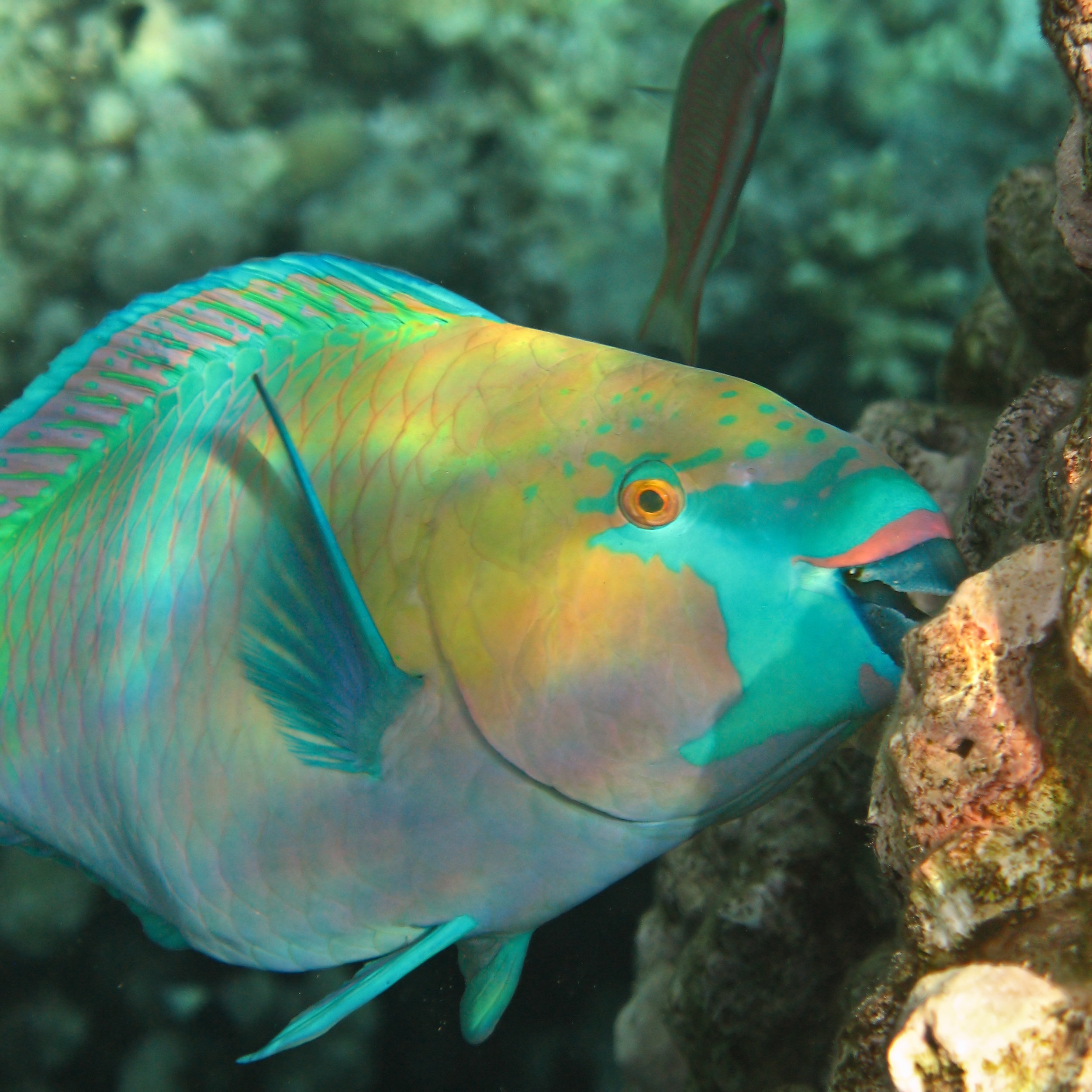
What Happens When A Species Disappears?

In the US Virgin Islands, large species parrotfish have been removed from the ecosystem and indeed the marine food chain. The consequence of this loss is unknown.

Read More
There Is Hope For The Nassau Grouper
VI-EPSCoR Elisa Lacatena 1/26/17 VI-EPSCoR Elisa Lacatena 1/26/17

There Is Hope For The Nassau Grouper

With vigilance, education and regulations, Nassau grouper stocks may once again be plentiful.
Read More
More Than $26,000 Awarded to Teachers for Marine Debris Prevention and Education
VI-EPSCoR Elisa Lacatena 12/14/16 VI-EPSCoR Elisa Lacatena 12/14/16

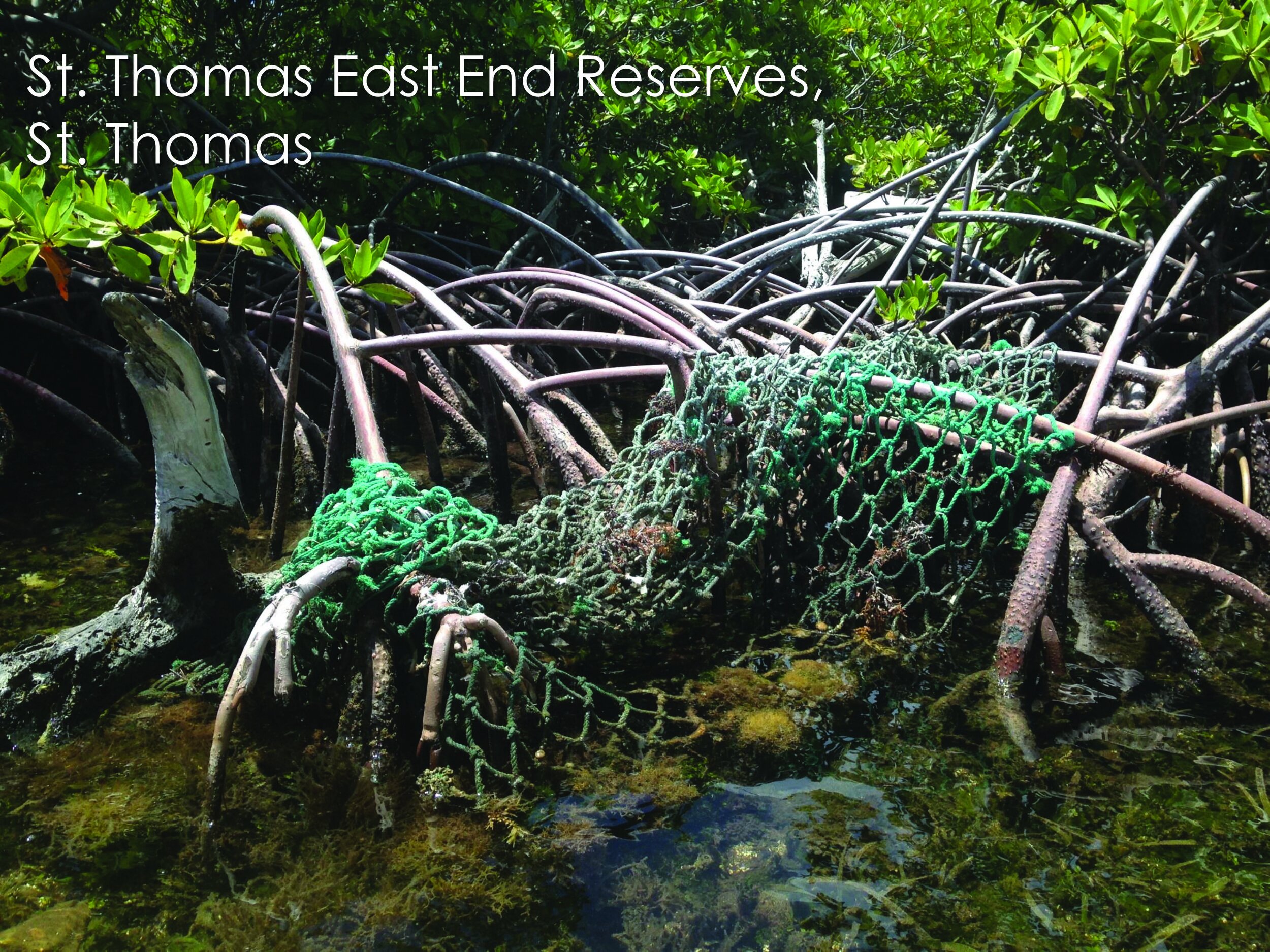
More Than $26,000 Awarded to Teachers for Marine Debris Prevention and Education

The NOAA Marine Debris Prevention Grant through UVI provides the opportunity for teachers and students to develop projects to engage and educate the greater USVI community about marine debris problems and solutions.

Read More
Zooplankton Abundance & Distribution in the Territory Has Never Been Studied, Until Now.
VI-EPSCoR Elisa Lacatena 12/9/16 VI-EPSCoR Elisa Lacatena 12/9/16

Zooplankton Abundance & Distribution in the Territory Has Never Been Studied, Until Now.

UVI graduate Mara Duke is studying plankton in Brewers Bay. The purpose of her study is to gain unique insight into how environmental conditions impact all levels of the ecosystem within a small coastal bay with highly diverse habitat types.

Read More
Newer Posts
Older Posts

Location

University of the Virgin Islands
2 John Brewers Bay
St. Thomas, VI 00802

Contact

email viepscor@uvi.edu
phone 340-693-1215

This material is based upon work supported by the U.S. National Science Foundation under Award No. OIA-1946412.

Any opinions, findings, and conclusions or recommendations expressed in this material are those of the author(s) and do not necessarily reflect the views of the U.S. National Science Foundation.