

Coral Reef
Ecosystem
Research
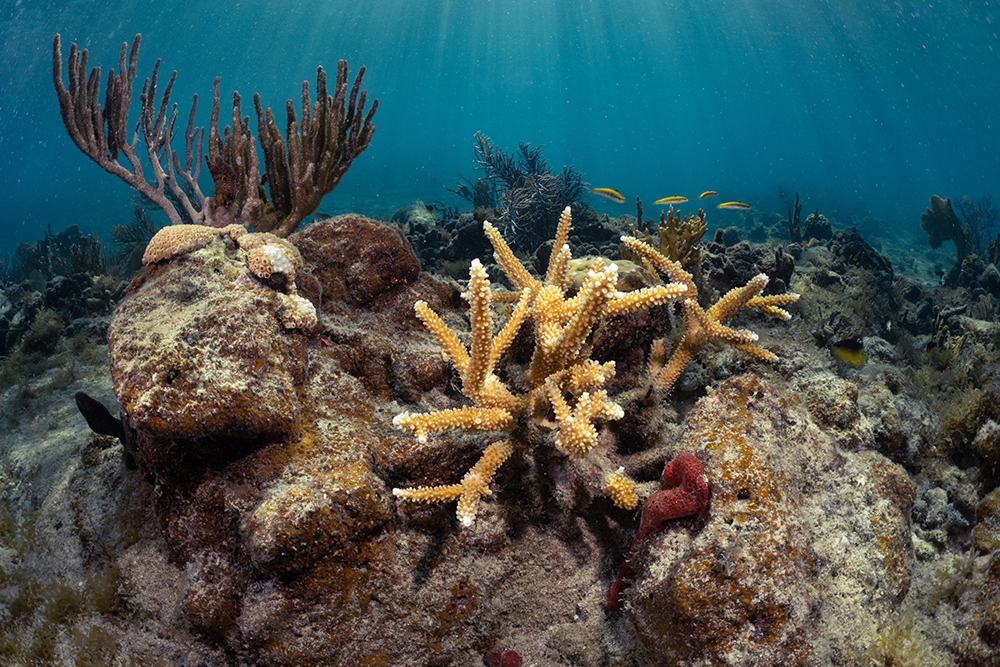
Coral reefs are the foundational marine ecosystem around the U.S. Virgin Islands, providing shoreline protection, habitat for fish and other organisms and, generating millions of dollars a year in tourism.
↓ R E A D M O R E
But There Are Challenges
USVI reefs have experienced repeated disturbances that have shifted reef communities and reduced coral cover over time, including severe hurricane impacts, disease outbreaks, and mass bleaching events. These changes have altered the structure and composition of reef ecosystems across the region, raising important questions about how reefs function as conditions continue to change.
VICAR’s reef research explores whether altered reefs can remain stable and functional, and what biological and environmental drivers shape those outcomes. This work examines reefs as “novel ecosystems”, communities that may differ from historical conditions but still perform important ecological roles, such as providing habitat, supporting fisheries, and protecting coastlines. VICAR is also building tools that go a step further: catching problems on the reef, and checking on restoration progress, while the work is happening rather than after the fact.
↓ R E A D M O R E

Our research is organized into five integrated areas of study which examine reefs across multiple scales.
-
Analyze
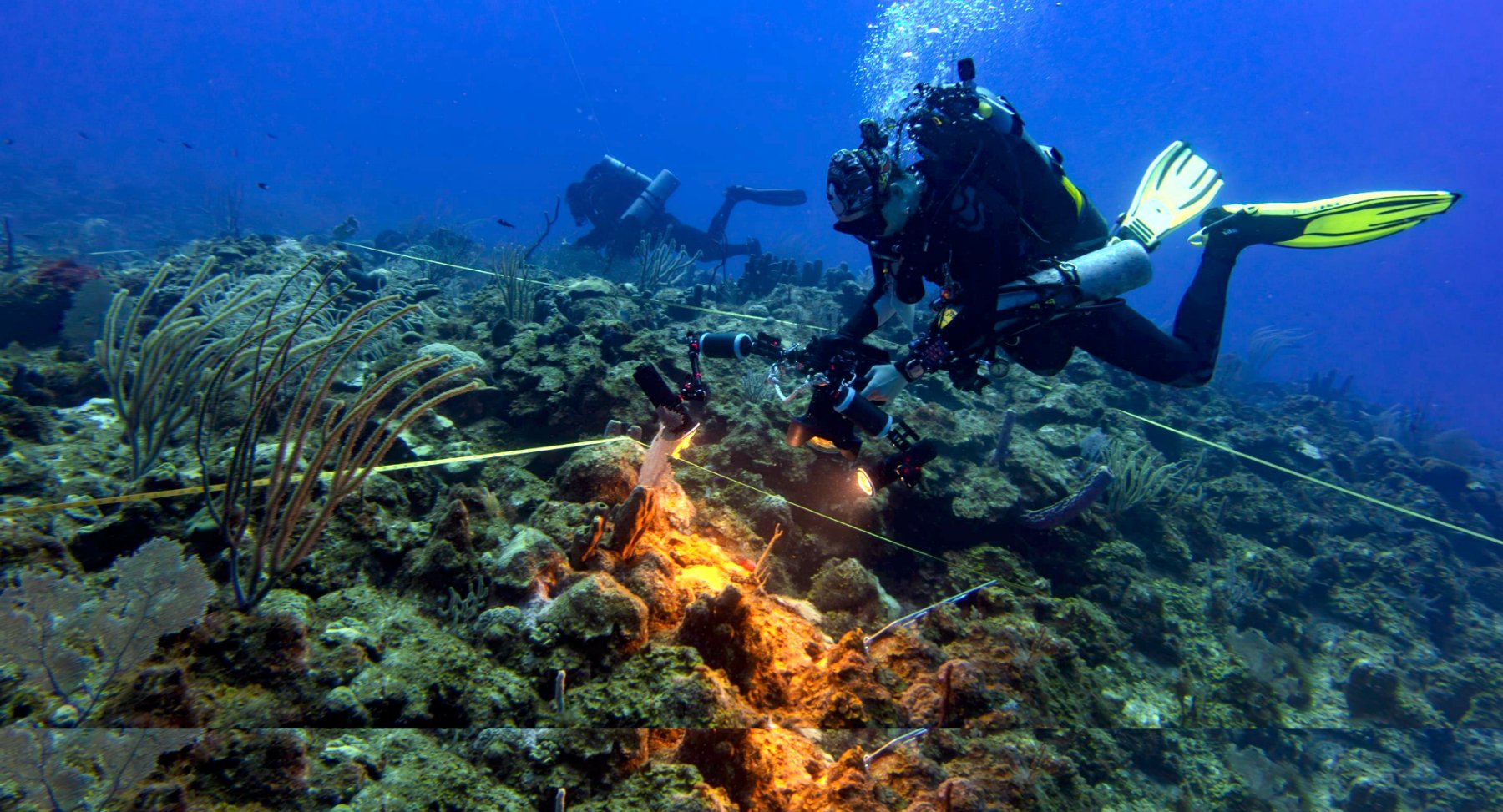
Analyze long-term changes using monitoring video.
-
Document
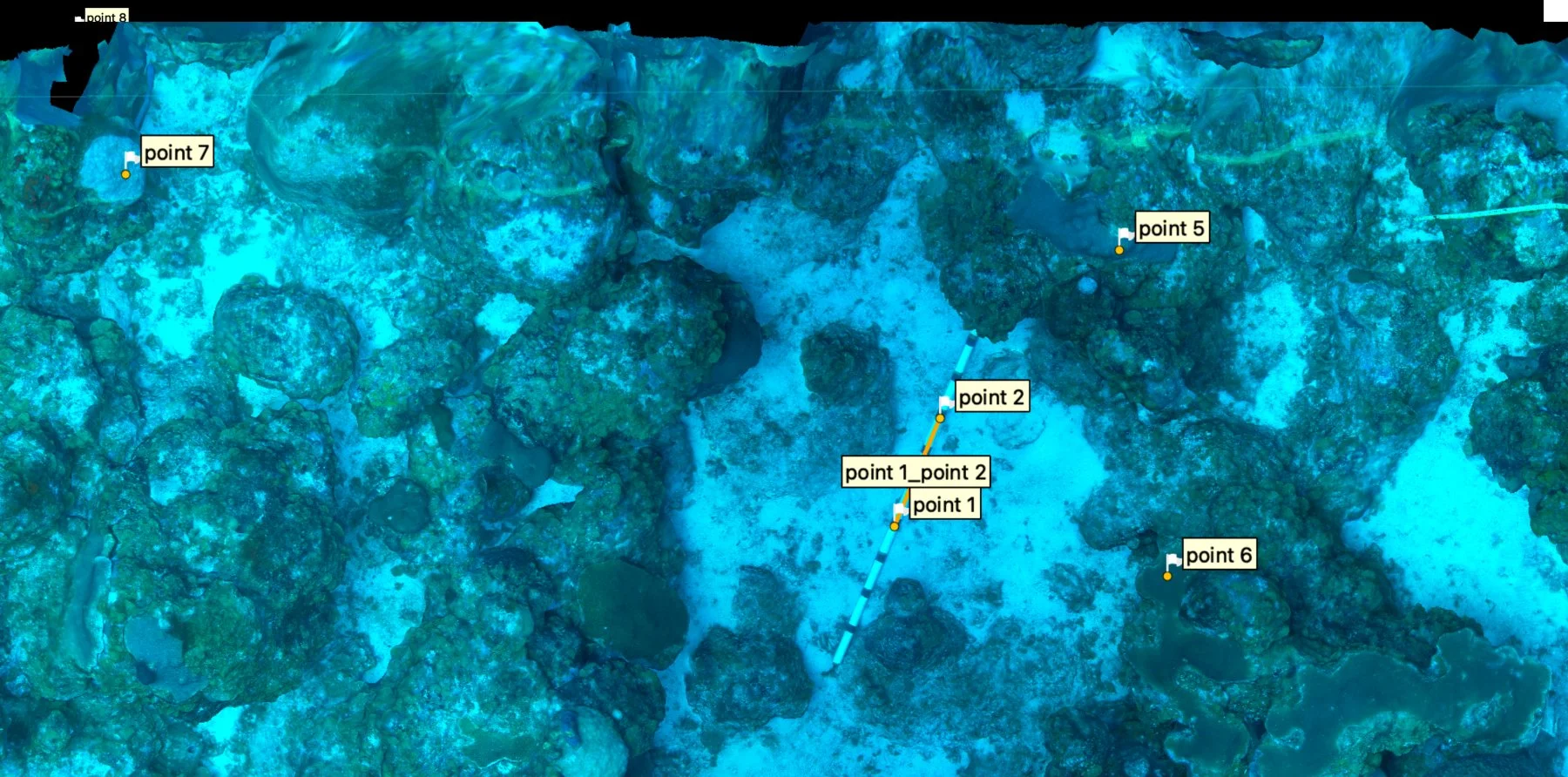
Document present-day reef structure through AUV-based 3D “snapshots”.
-
Track
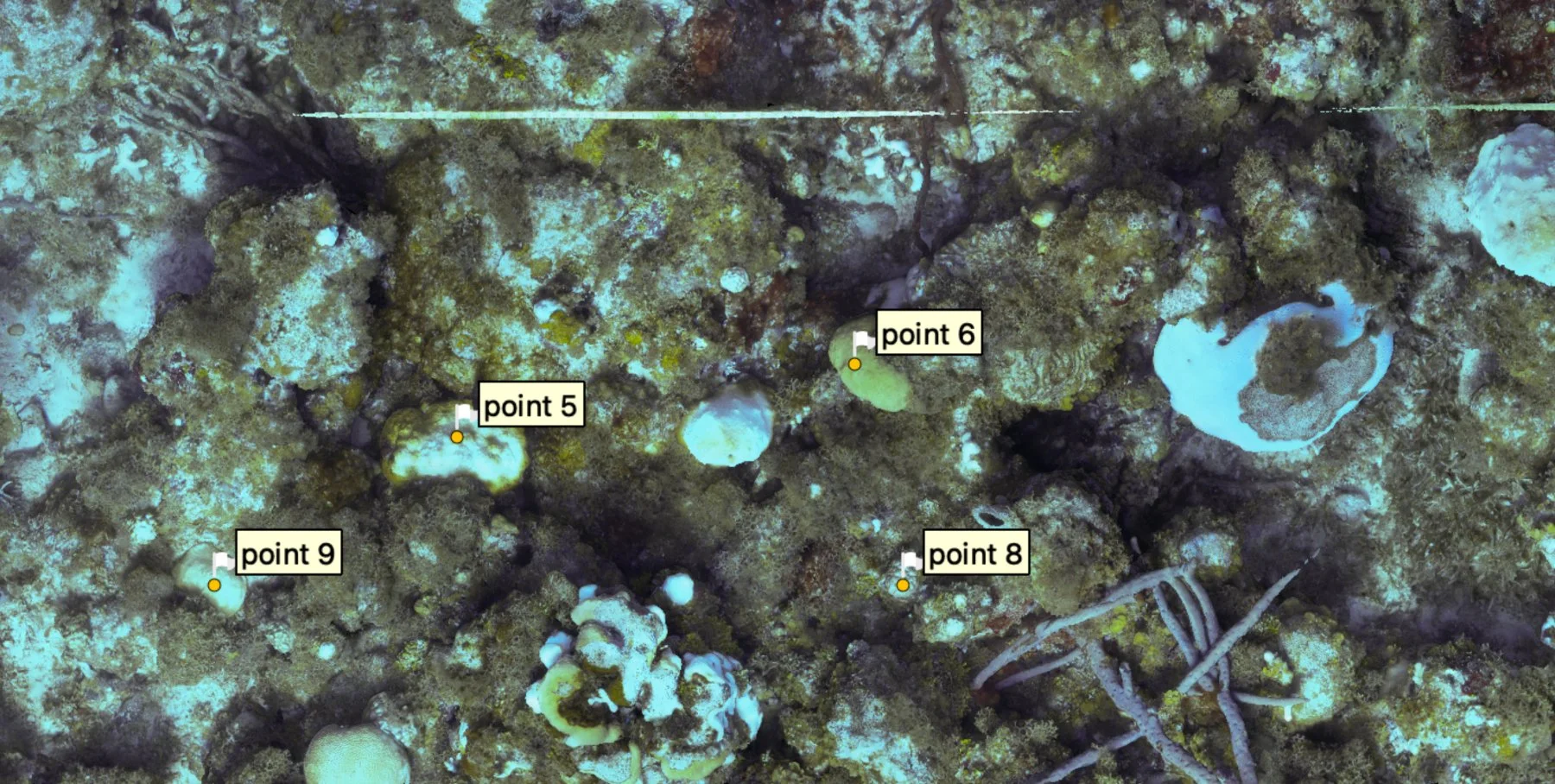
Track individual coral colonies over time.
-
Quantify
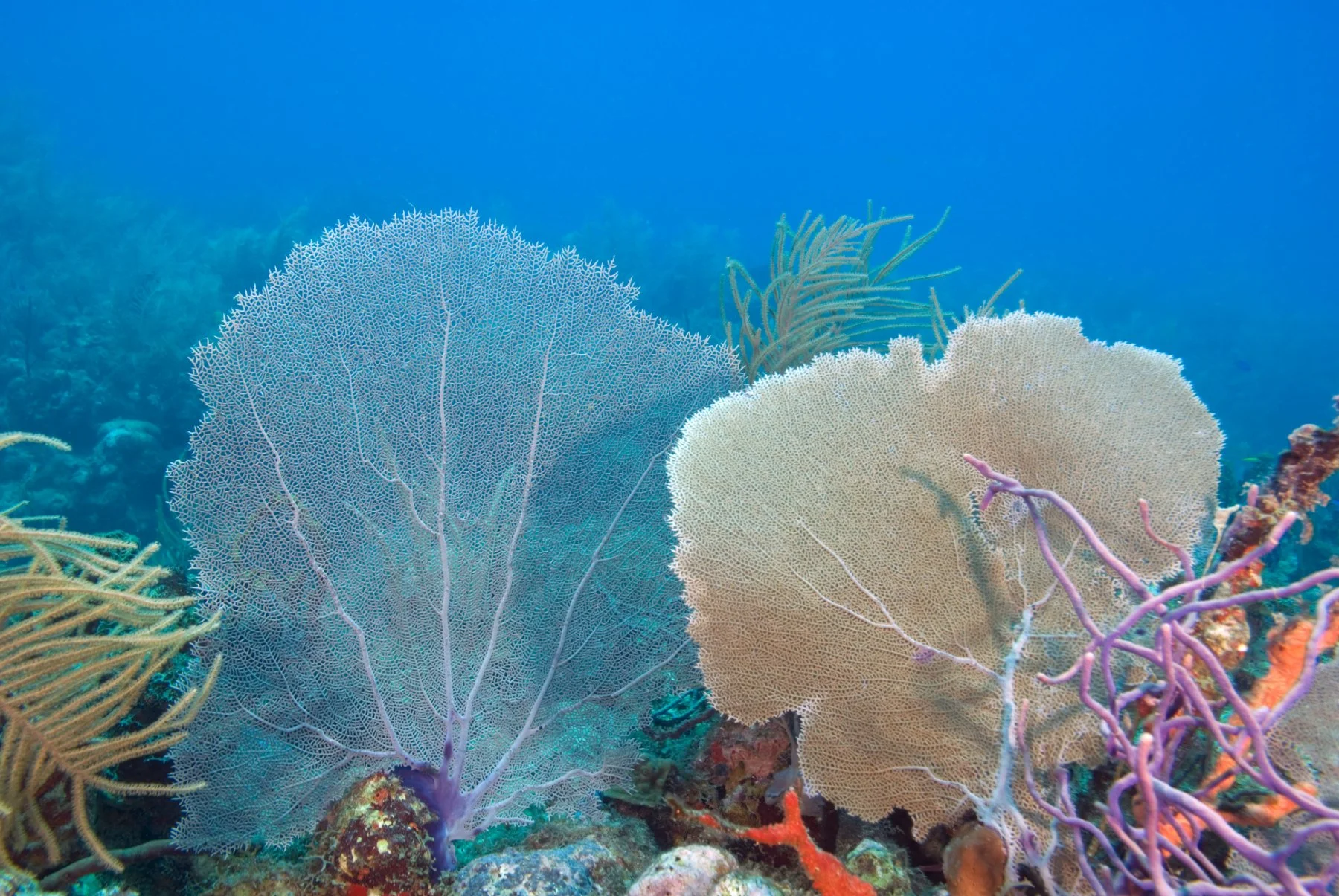
Quantify non-coral organisms such as sponges and octocorals
-
Map
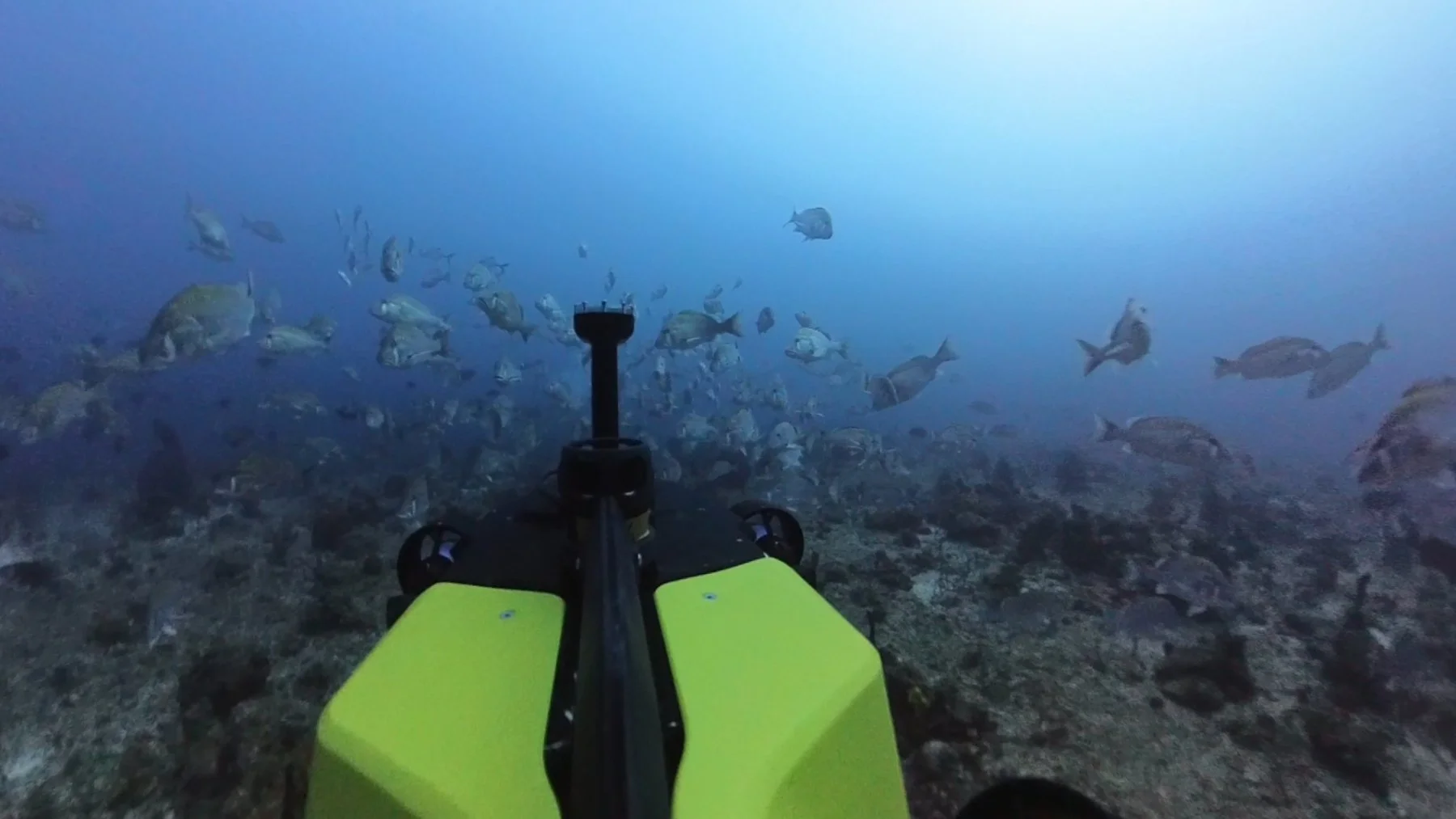
Map interactions among benthic groups on the seafloor.
Together, these studies are also helping build VICARIUS tools and training datasets. Annual surveys are planned at 31 long-term Territorial Coral Reef Monitoring Program sites across all three islands, spanning depth and reef type. AUVs collect imagery along repeatable transects, supporting 3D model creation and more detailed measurements of reef structure and composition.
This work links long-term reef monitoring with new automation so the Territory can track changes faster and with consistent methods across sites and years.
That same survey work is also being extended to catch problems while they're happening. Coral reefs in the U.S. Virgin Islands face threats that can spread fast: disease outbreaks, invasive species, and die-offs that can cause serious damage before anyone notices, and VICAR is developing tools to help catch these earlier.
Most surveys today work like this: an underwater vehicle collects video, and the team reviews it later. VICAR is building on that by teaching the same vehicles to recognize signs of trouble while they're still out on a mission, including stony coral tissue loss disease (SCTLD), the ongoing die-off of black spiny sea urchins (Diadema antillarum), and the invasive soft coral Unomia stolonifera, which is easy to miss in deep or hard-to-reach spots.
These same tools are also being used to check on coral restoration sites, tracking whether replanted coral is surviving and growing, and flagging problems early enough for restoration teams to respond.
This work builds directly on VICARIUS, extending it from mapping and classifying what's on the reef toward actively watching for change and reacting to it.
This program is led by Dr. Marilyn Brandt.