

Open Ocean
Observation
What Happens Offshore
Does Not Stay Offshore
Coral reefs and mangroves in the U.S. Virgin Islands respond to conditions that begin far from shore. Water temperature, salinity, currents, and the movement of deep water all shape when corals bleach, the movement of fish and marine mammals, and how quickly disease spreads once it reaches a site.
VICAR's Open Ocean work connects information collected offshore to the changes researchers observe in coastal ecosystems. The center builds the analysis methods, models, and data pipelines that turn continuous ocean measurements into information reef and mangrove scientists can use.
↓ R E A D O N
How we collect data
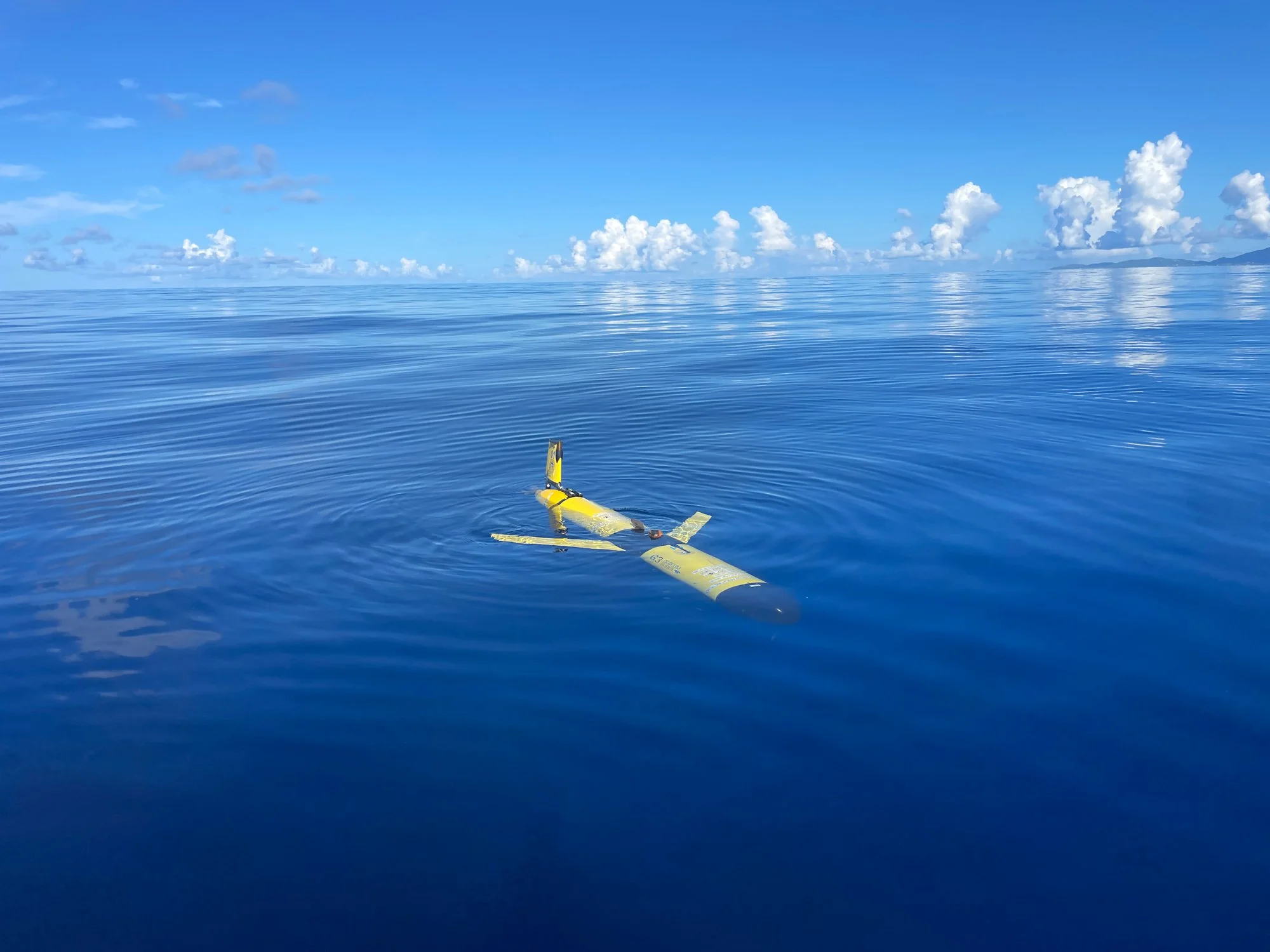
Measurements are collected by long-duration ocean gliders. These autonomous vehicles travel through the water column for weeks at a time, surfacing to transmit data and then diving again. The gliders record temperature, salinity, and other conditions from both the surface and at depth in the waters around the U.S. and British Virgin Islands and Puerto Rico. Because they run continuously, they capture changes that periodic sampling would miss.
The gliders and the lab that operates them, the UVI Ocean Glider Lab, are supported by a separate U.S. National Science Foundation Major Research Instrumentation award (NSF MRI #2216150). Drawing on that existing capability, VICAR contributes the analysis: faster processing of the data, models that link it to reef and mangrove observations, and a shared platform where researchers and partners can access it.
→ R E A D O N
Listening for Marine Animals
Many gliders carry underwater microphones that record the sound around them, including the calls of whales and dolphins. A single deployment produces weeks of continuous audio, which historically was slow and expensive to acquire manually.
You can help. Reporting sightings of whales, dolphins and other marine mammals help support our research.
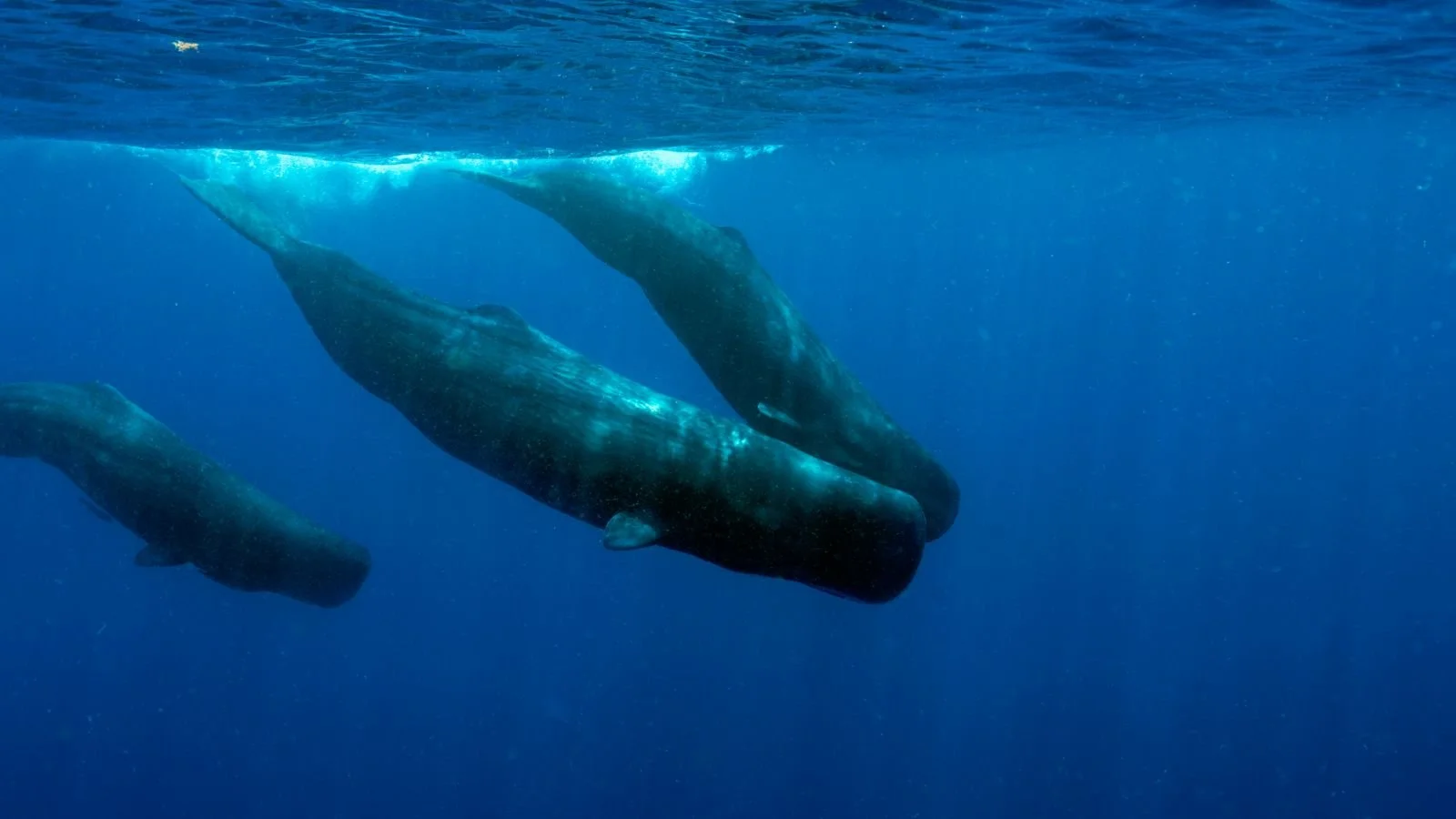
VICAR is developing AI methods that detect and classify marine mammal calls automatically, with a focus on identifying which cetacean species are present and how often. Marine mammal records for the Eastern Caribbean are thin, so even a modest number of well-documented detections adds to what is known about this region. That record supports conservation planning, vessel routing, and species protection decisions that currently rest on very little local data.
Connecting the open ocean to the shore
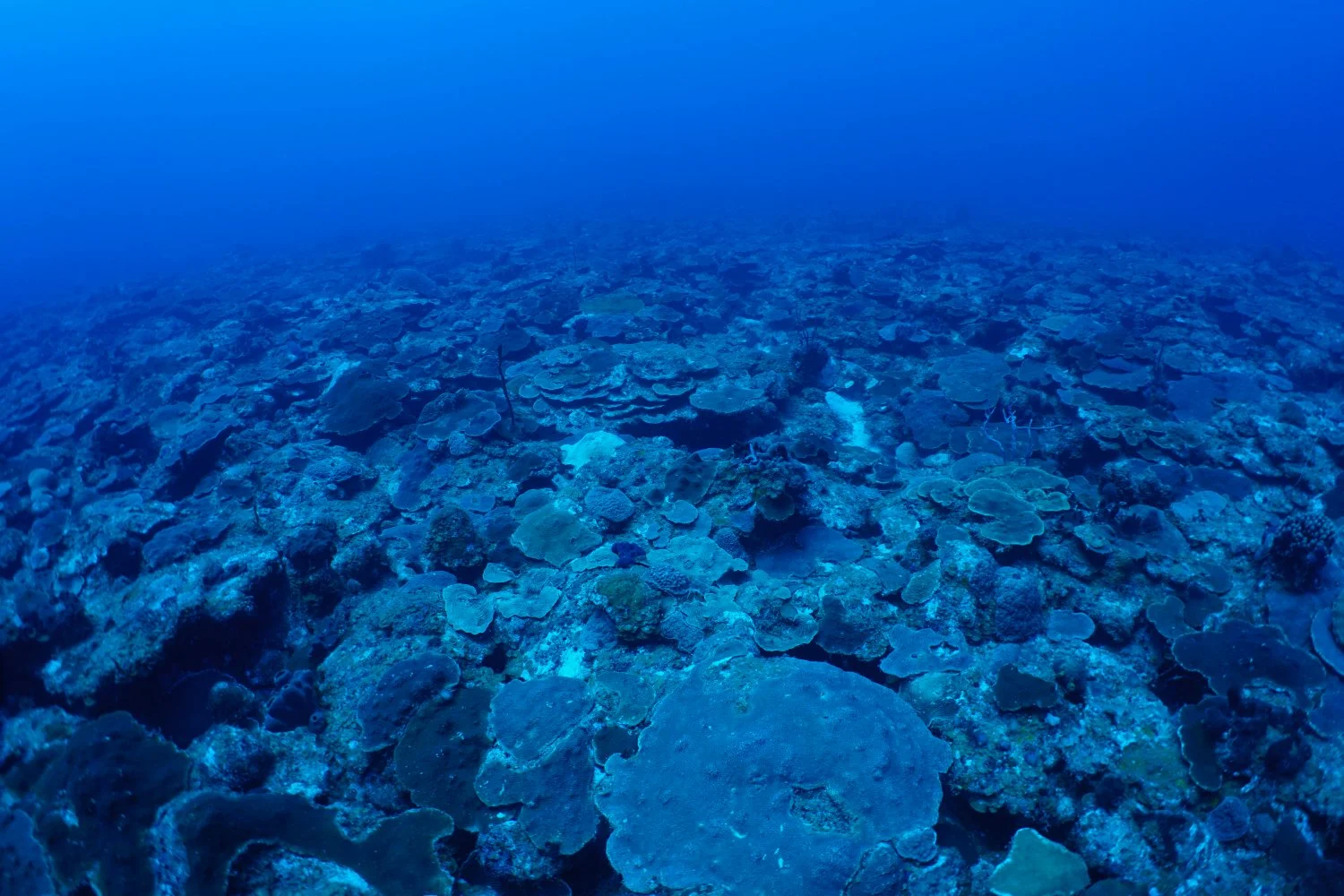
VICAR is also examining how offshore conditions correspond to what is recorded closer to shore. Researchers compare glider observations with Territorial Coral Reef Monitoring Program records and other shelf datasets, then use that information to build models of how ocean and near-shore waters interact.
The purpose is practical. If a temperature or chemistry signal offshore reliably precedes a change on the reef, that signal becomes an early warning sign. This also enables researchers to identify where the Territory still has gaps in autonomous ocean observation and what it would take to close them.
Training people to do this work
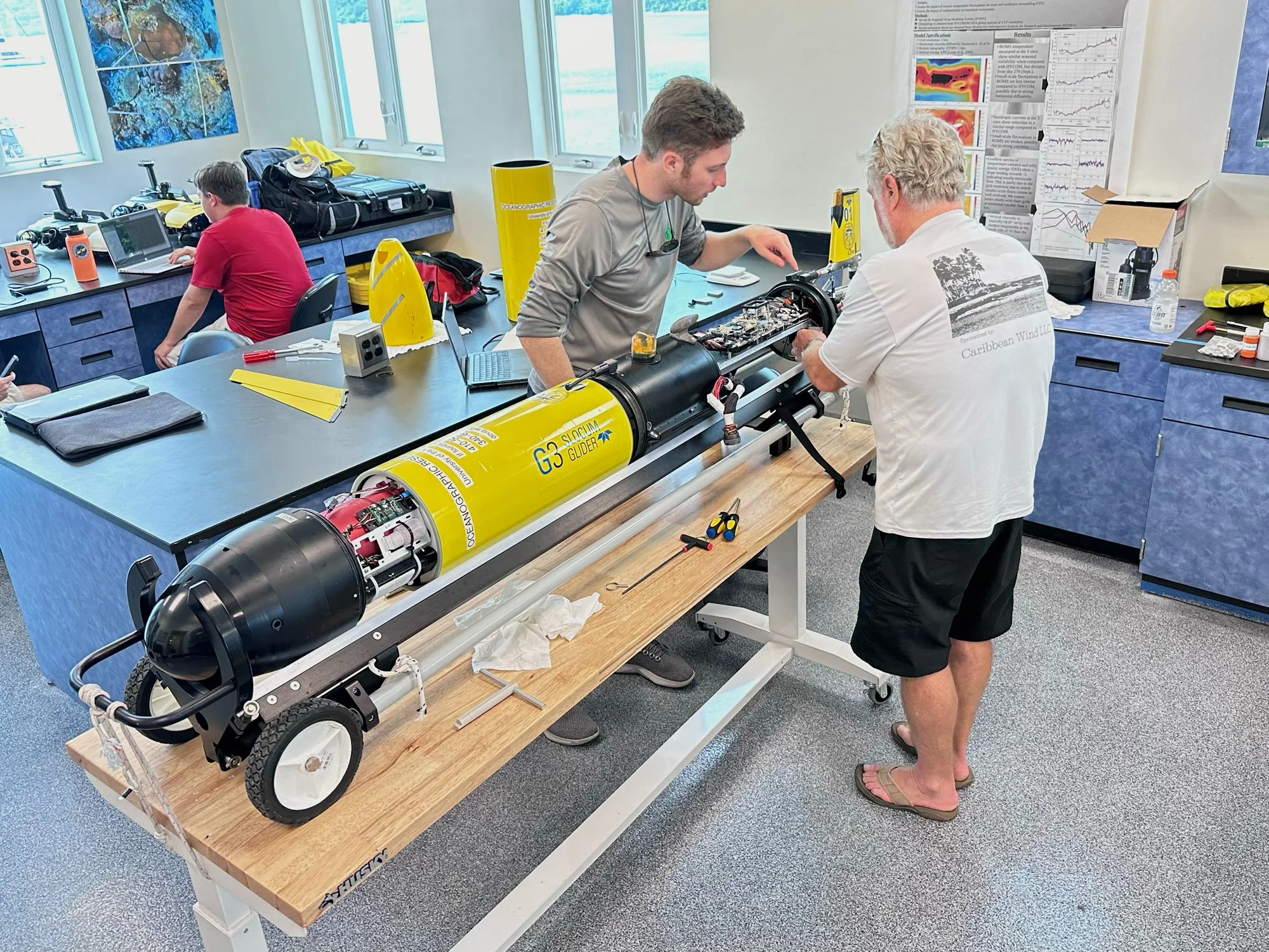
VICAR’s ocean research includes graduate training. Students work on ocean data analysis and are cross-trained on both glider operations and other autonomous underwater vehicles, so the Territory builds a pool of people who can run the equipment and interpret the information it returns. Four graduate students, one per project year, are supported in this lab.
What happens with all that data
Glider measurements and acoustic recordings feed into VICARIUS, VICAR's integrated analysis platform. Reef, mangrove, and open ocean data are shared into one system which allows researchers to examine them as a whole rather than separately. The processes built for this data are designed to be reusable, so ocean monitoring in the Territory can continue past the life of the grant.
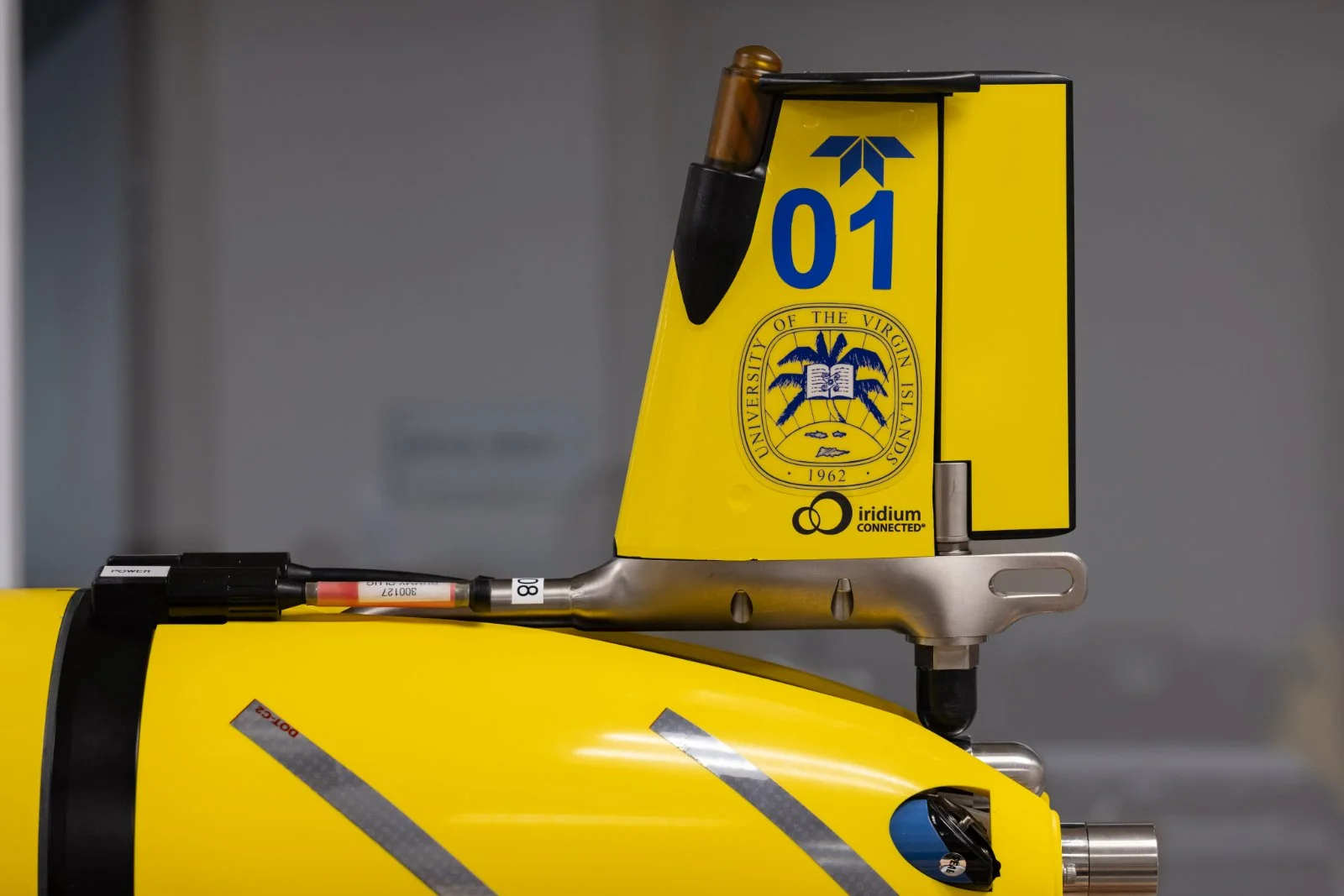
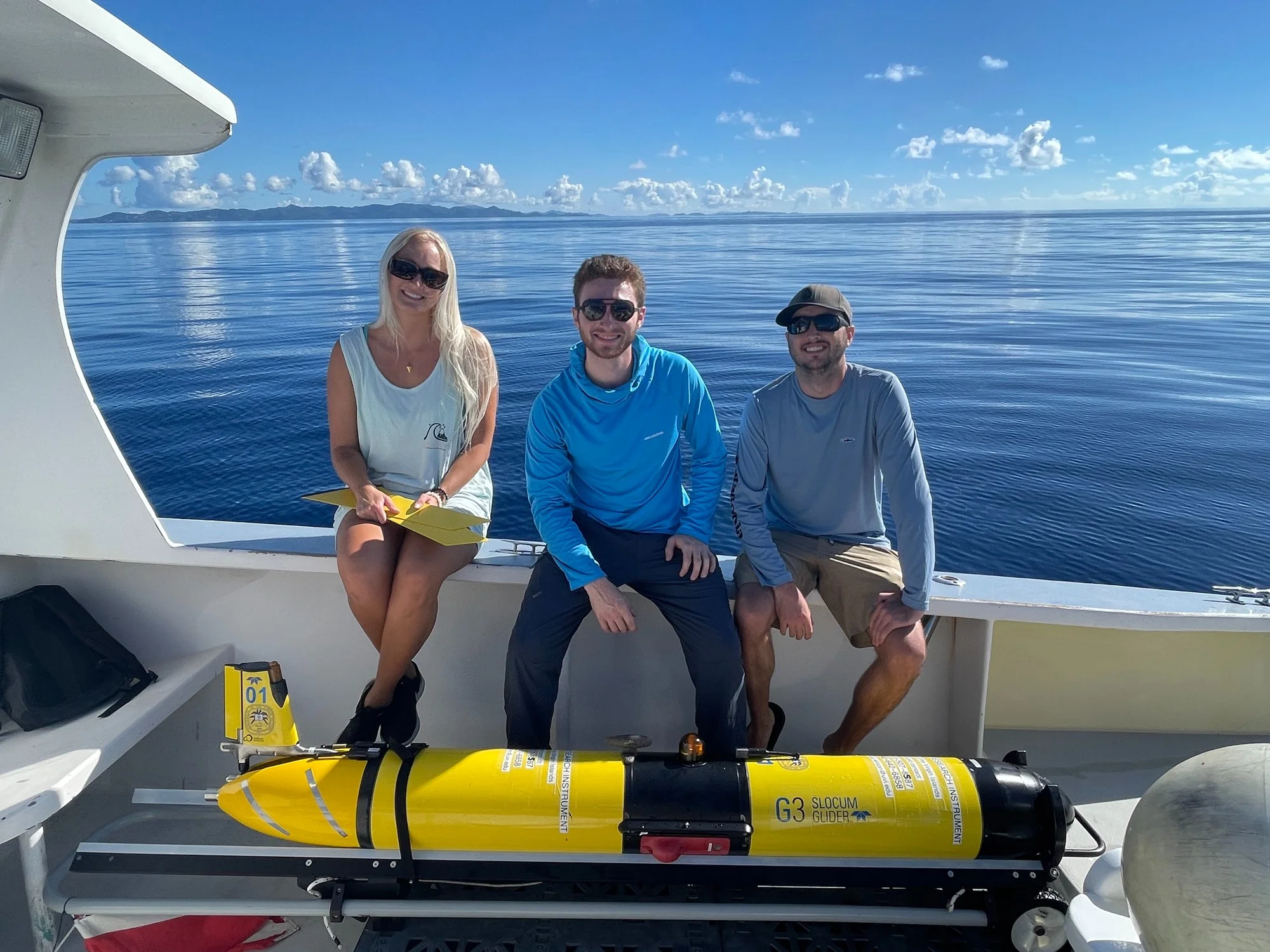
MMES graduate student Keiley Gregory, recent graduate Joshua Soll and UVI Glider Facility Marine Tech Travis Hamlin prepare for a deployment mission.
The UVI Ocean Glider Lab operates the gliders and moorings under NSF Major Research Instrumentation Award #2216150. Marine mammal acoustic monitoring is sponsored by NOAA Fisheries. VICAR is supported by the NSF under Award OIA-2446008.
This work is led by Doug Wilson, M.Sc.