

VICAR
RESEARCH
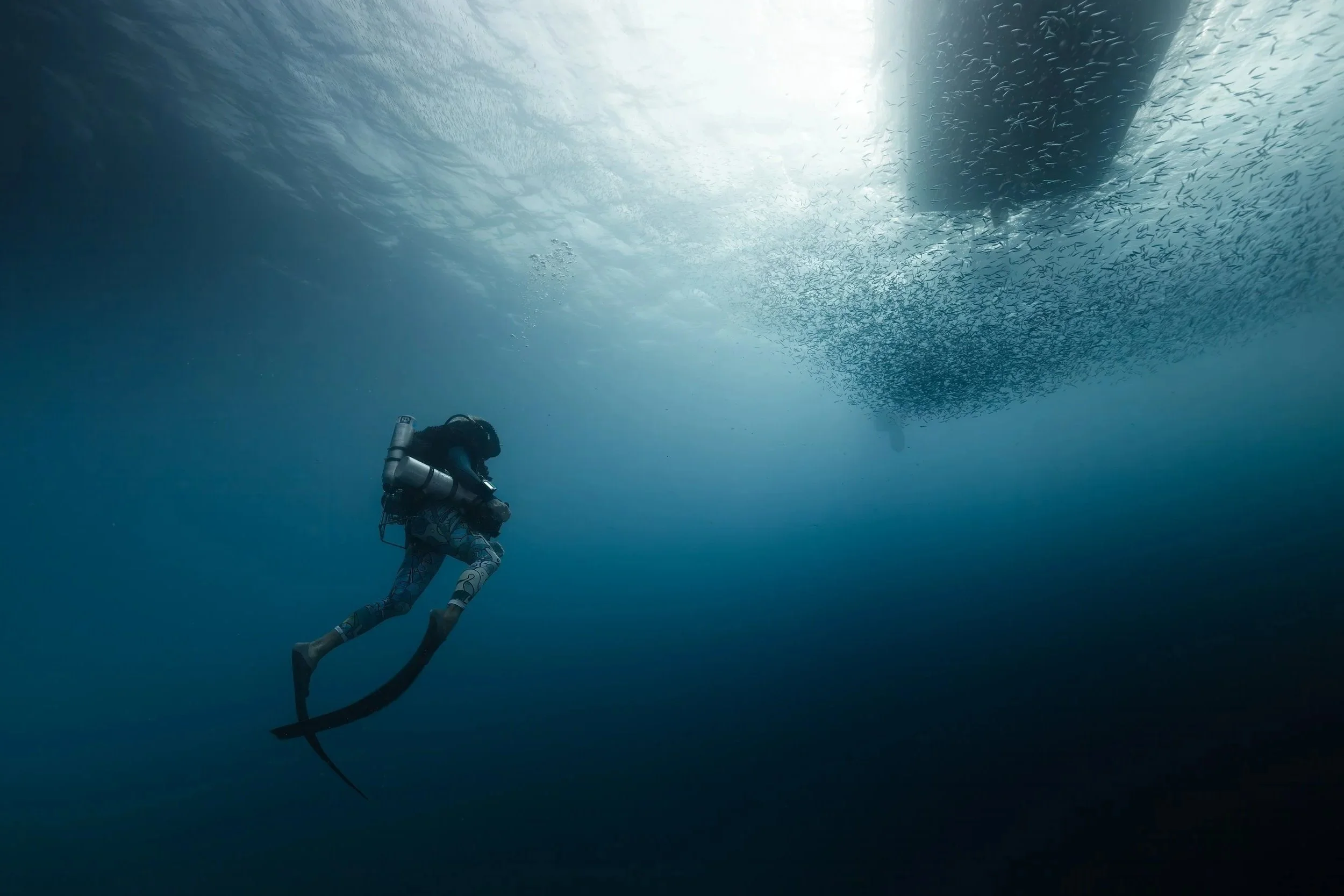
VICAR’s research themes focus on three connected parts of our ocean system: coral reefs, mangrove forests, and the open ocean.
↓ R E A D O N
C O R A L R E E F S
M A N G R O V E F O R E S T S
O P E N O C E A N
Across all themes, VICAR pairs long-term monitoring with a repeatable technology workflow that can scale across sites and years. Underwater robots and uncrewed platforms collect high-density imagery and sensor data; 3D mapping turns images into measurable habitat “snapshots”; and AI helps classify patterns consistently so results can be compared over time. These steps are integrated through VICARIUS, the project’s system of standard procedures, software, and AI models designed for long-term use and continuous improvement.
These environments support fisheries, tourism, and shoreline resilience yet…
they are being reshaped by repeated stressors such as storms, warming, disease, and drought. Our goal is to understand how and why these ecosystems are changing, and to produce evidence that helps people plan, protect, and restore these systems.



E X P L O R E T H E T H E M E S ↓
One Platform. Connected Ecosystems.
VICARIUS is being developed through coral reef research and designed to expand into mangrove and open-ocean monitoring.
-
Coral Reef Ecosystem Research
DEVELOPMENT UNDERWAY
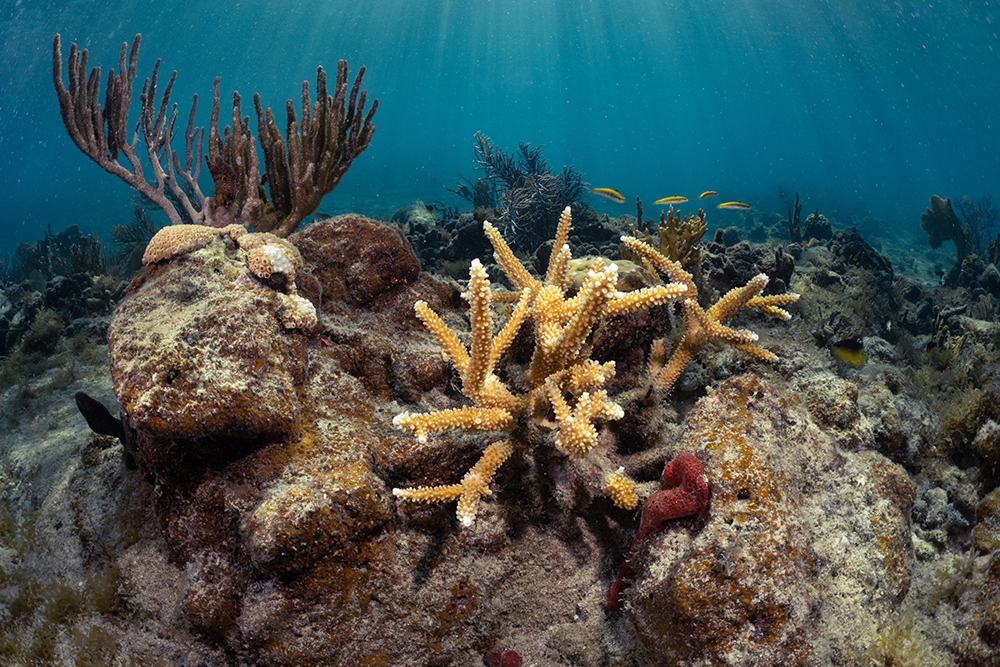
VICARIUS is being developed through extensive reef-monitoring work in the U.S. Virgin Islands, drawing on long-term TCRMP datasets, AUV surveys, 3D mapping, and AI-assisted analysis. These tools are helping researchers understand how reefs altered by storms, disease, and bleaching continue to function and change, while building more efficient and repeatable approaches to monitoring and management.
-
Mangrove Monitoring & Restoration
PLANNED EXPANSION
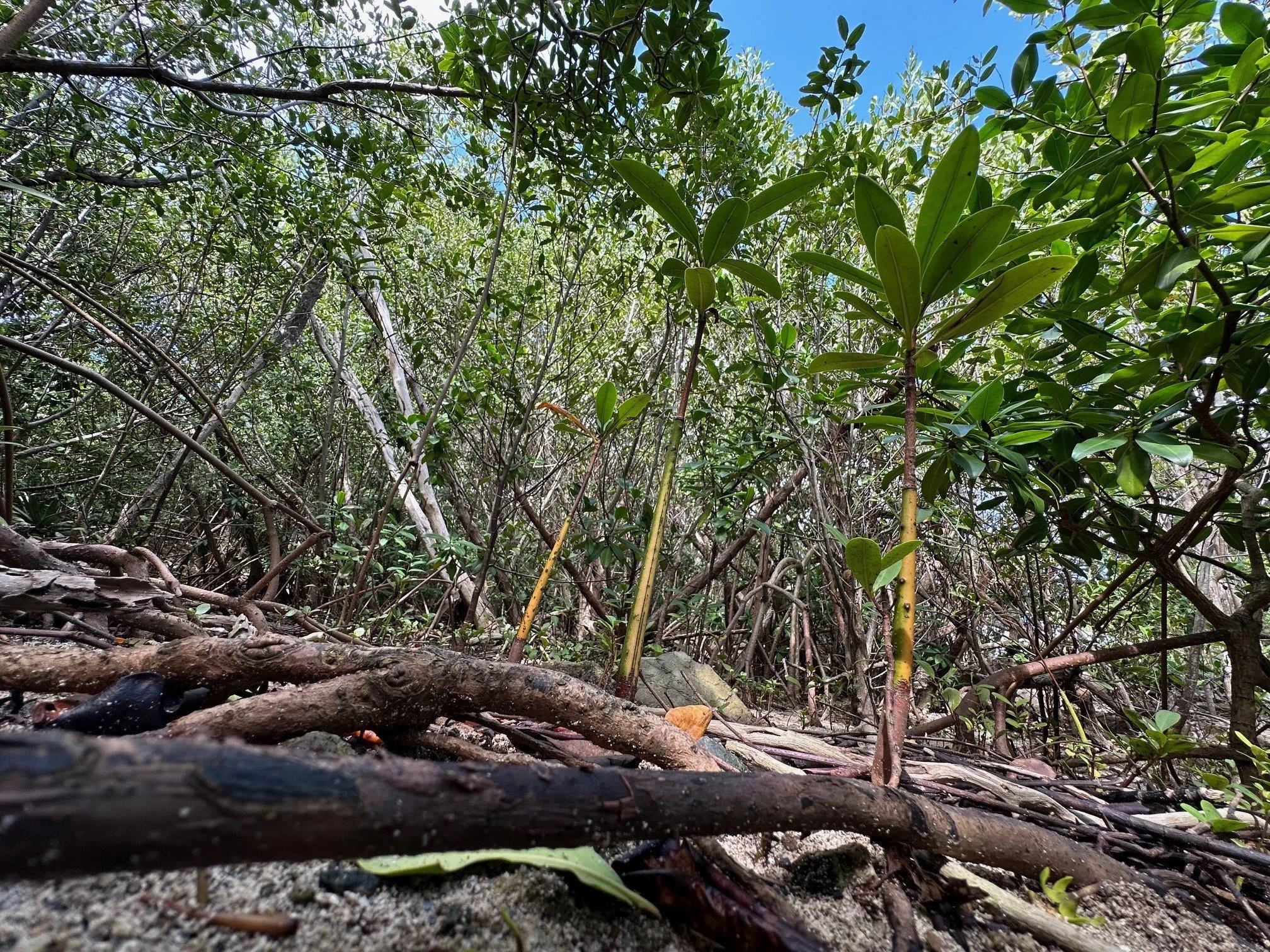
VICAR plans to extend VICARIUS into mangrove monitoring using aerial drone surveys, 3D mapping, and AI-assisted classification. Development will progress from adapting and testing survey methods to establishing repeatable approaches for assessing mangrove condition and restoration outcomes.
-
Open Ocean Observation
PLANNED EXPANSION
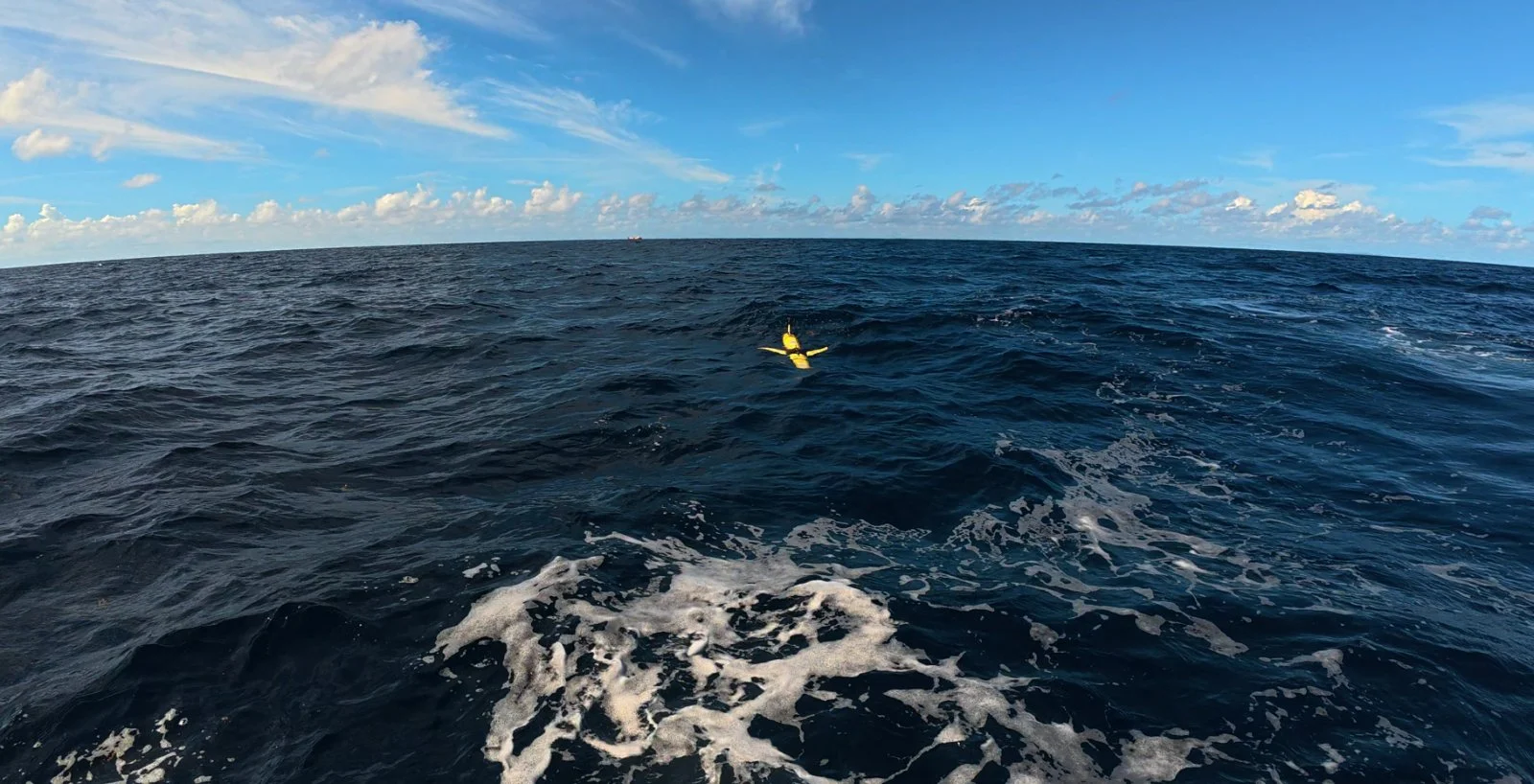
VICAR is extending VICARIUS into open-ocean monitoring by integrating data from autonomous gliders, including water-column measurements and passive acoustic observations. These standardized workflows are designed to connect offshore ocean conditions with changes observed in reef and mangrove ecosystems, while improving data processing, long-term monitoring, and environmental decision-making.