The Ridge to Reef Project
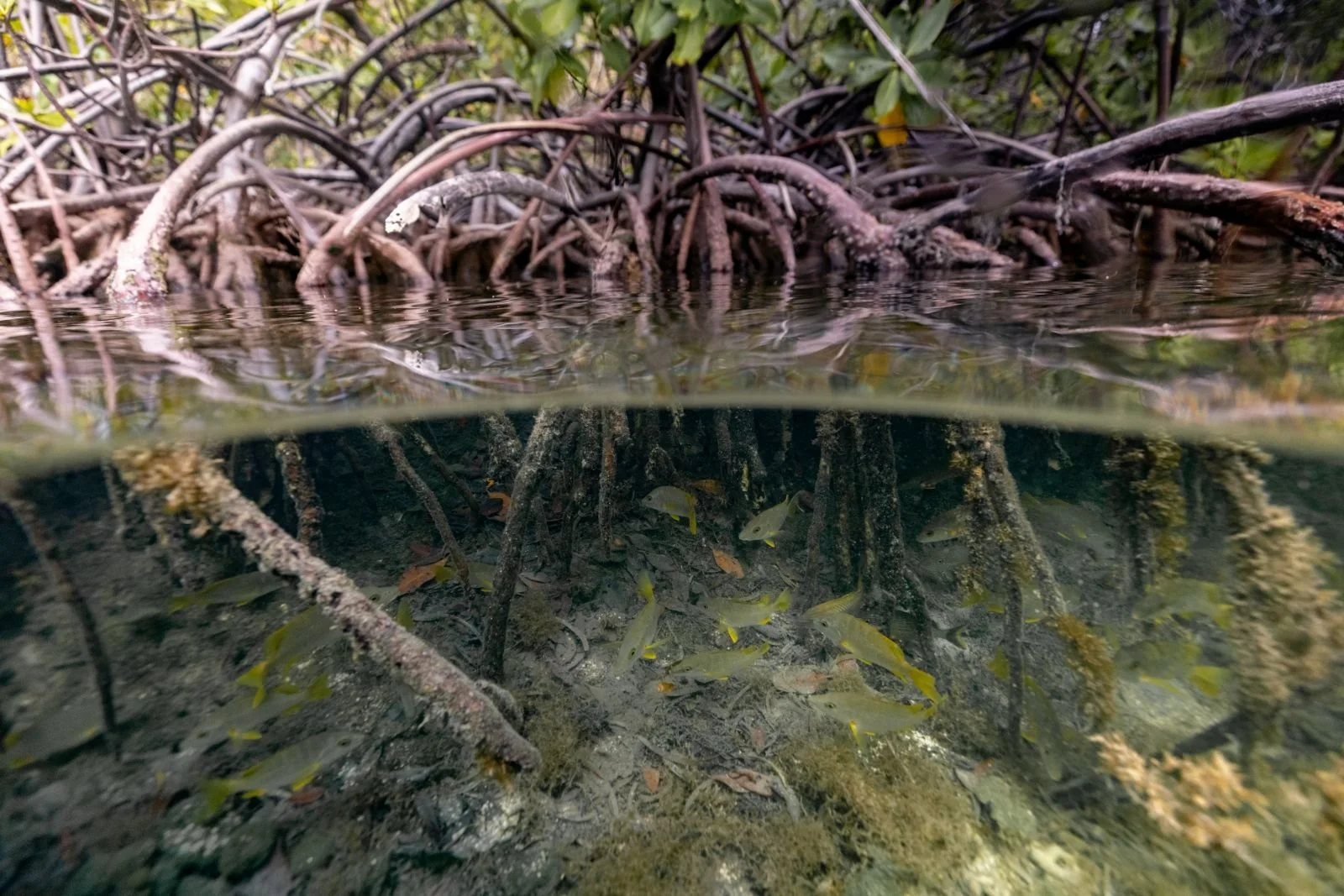
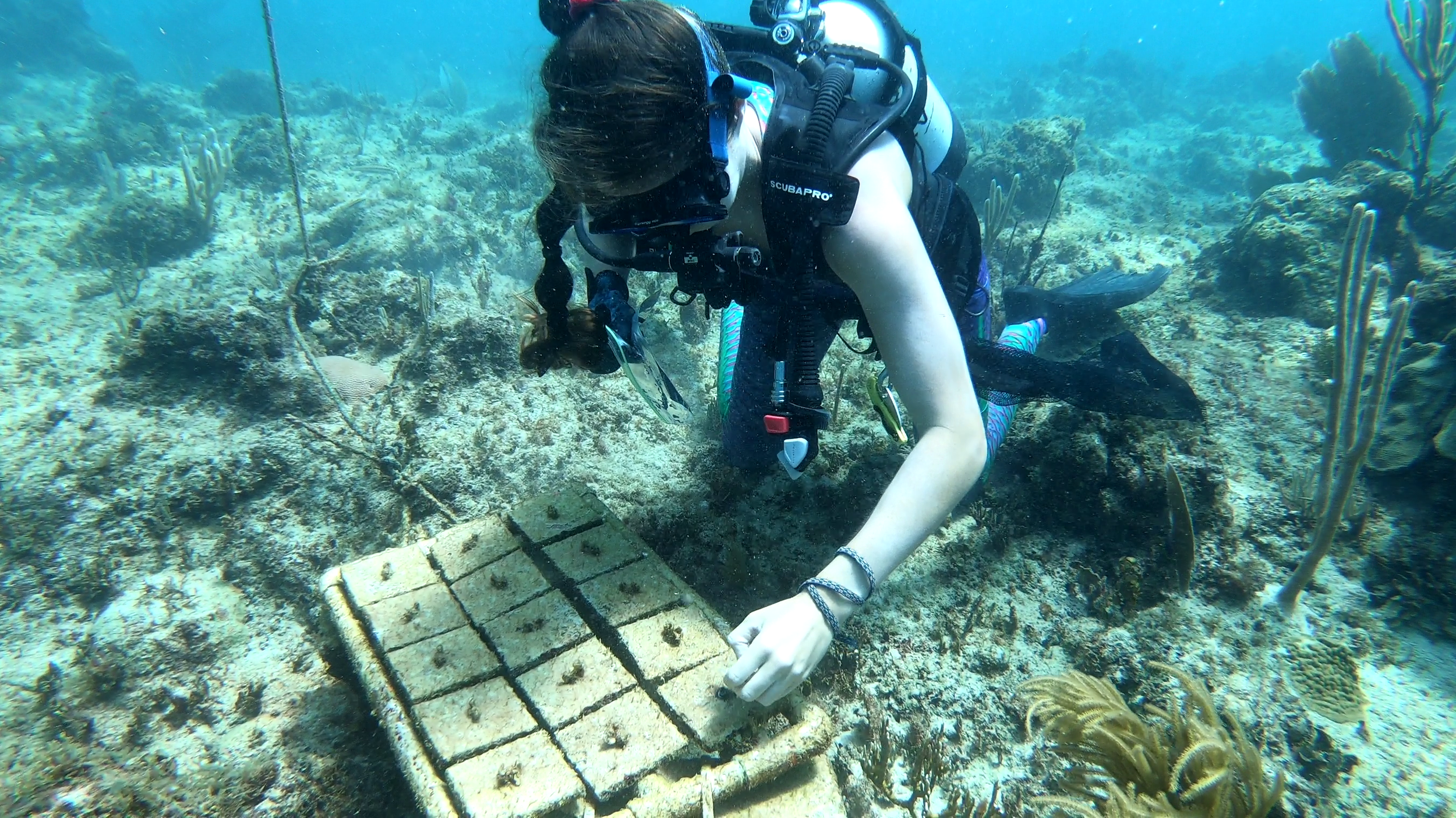
Ridge to Reef (R2R) was a five-year (2020–2025) environmental research program in the U.S. Virgin Islands, funded by a $20 million U.S. National Science Foundation EPSCoR award. This project was the first of its kind in the territory to take a “ridge-to-reef” approach – examining how land-based activities impact the coastal and marine ecosystems downstream and offshore. R2R’s mission was to advance science-based strategies for small island resilience, focusing on natural and human-driven disturbances that affect coastal ecosystems. By monitoring everything from rainfall runoff and mangrove health to fish behavior and coral genetics, the R2R team improved understanding of the processes that impact coastal areas and Caribbean reefs and identified what can help these ecosystems resist and recover from these impacts. Equally important, the project emphasized solutions – for example, developing new coral restoration techniques that leverage genetic and species diversity to build tougher reefs in the face of climate change.

Cinnamon Bay, St. John waterfall courtesy of Steve Simonsen Photography
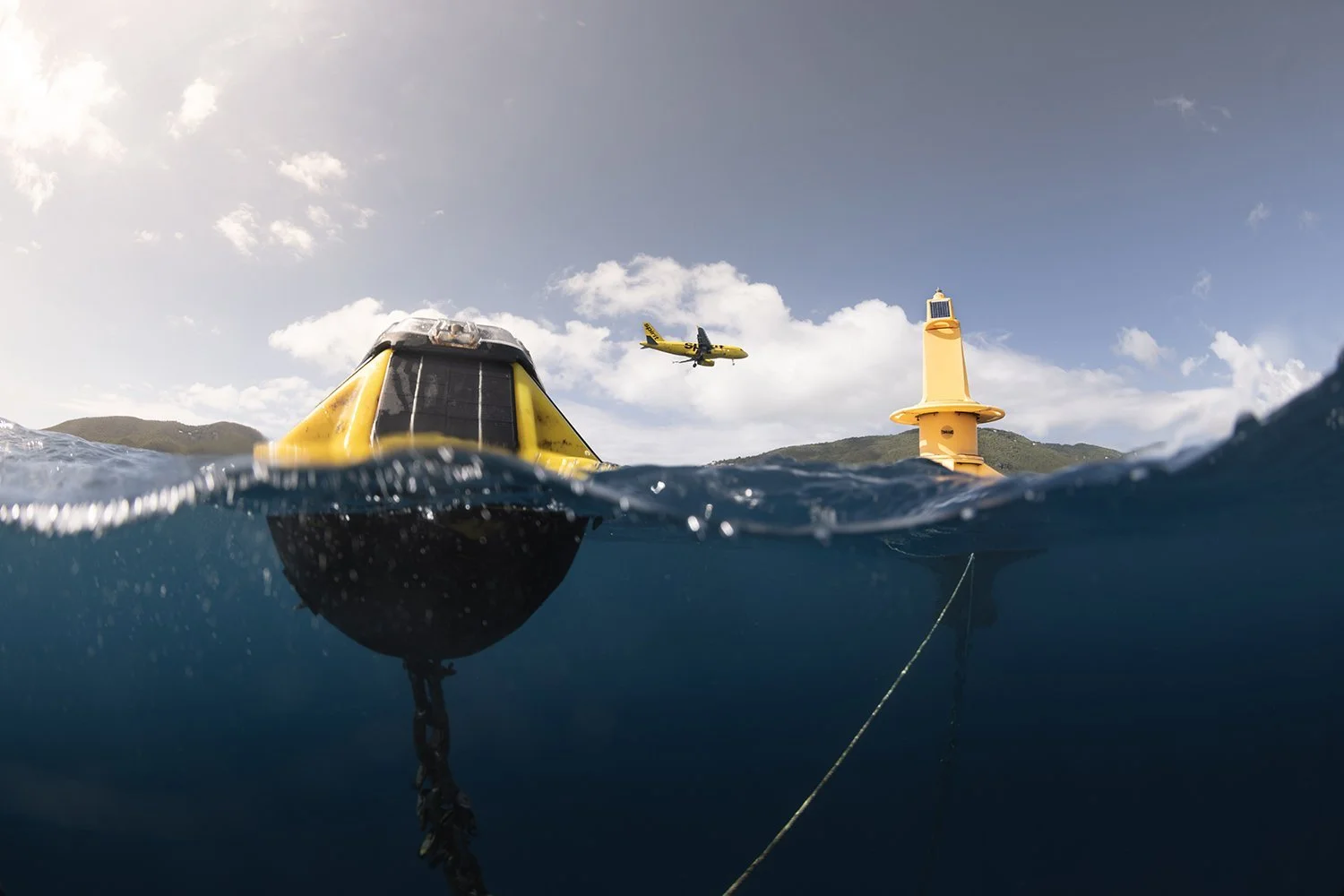
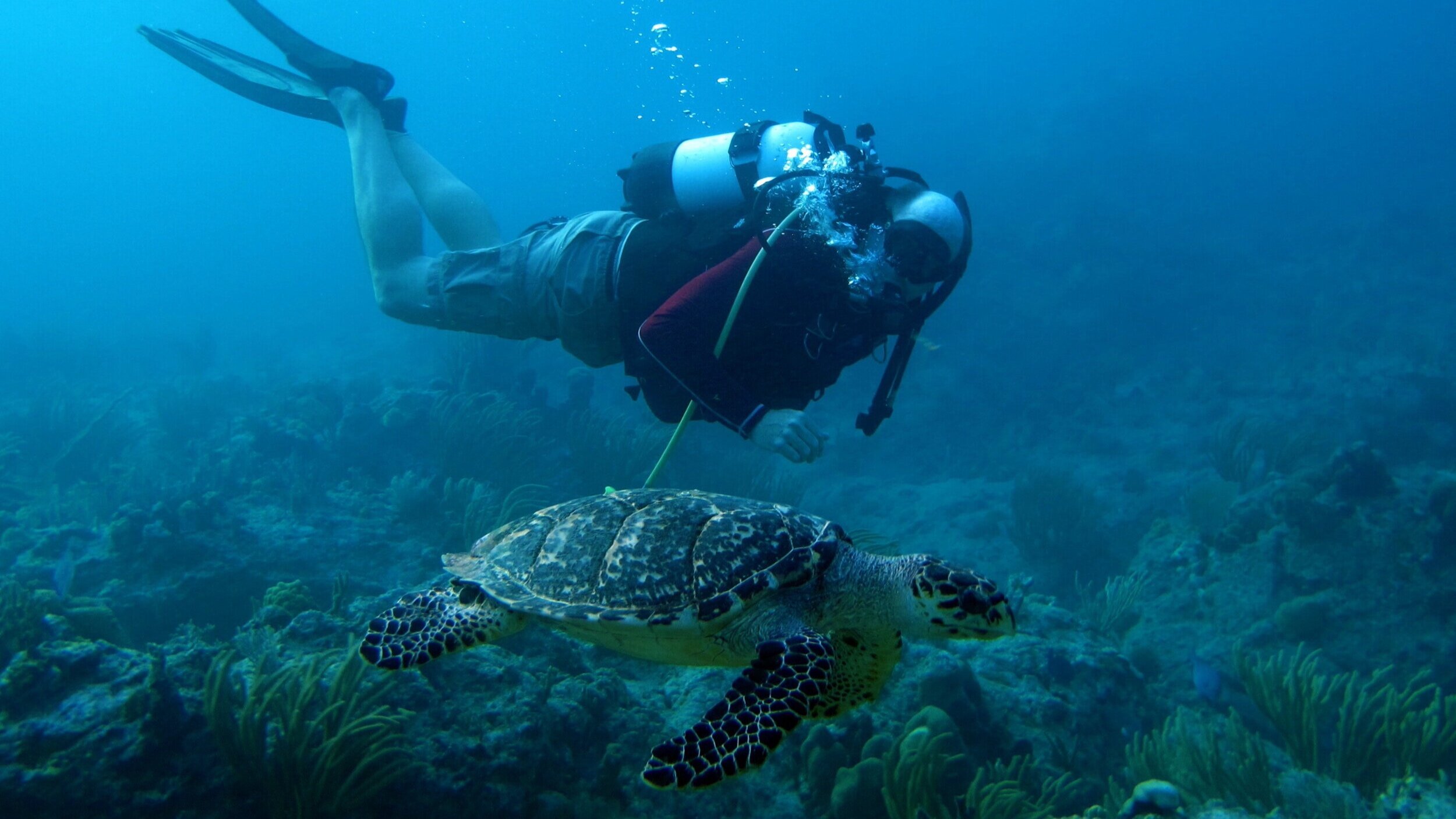
Over the life of the grant, R2R made significant contributions to both science and the local community. Researchers discovered previously undocumented pollution threats in the territory’s ghuts (ephemeral streambeds) sediments – finding elevated heavy metals and chemicals even in remote areas. These findings are informing stronger watershed protection measures. R2R scientists also led the fight against a devastating coral disease outbreak, pioneering response and restoration efforts that earned national recognition (lead researcher Dr. Marilyn Brandt received a U.S. Coral Reef Task Force award for her work). On the reef, studies revealed why some corals and fish populations thrive despite disturbances, guiding managers in protecting these resilience “hotspots.” For instance, long-term research and conservation helped endangered Nassau grouper fish begin to rebound locally – over 1,000 groupers were counted at a protected spawning site in 2024, a remarkable recovery while other Caribbean populations remain in decline. R2R’s oceanographers provided data to predict coral bleaching events, allowing proactive efforts to save corals, and mapped ocean currents to understand larval dispersal and water quality across the islands.
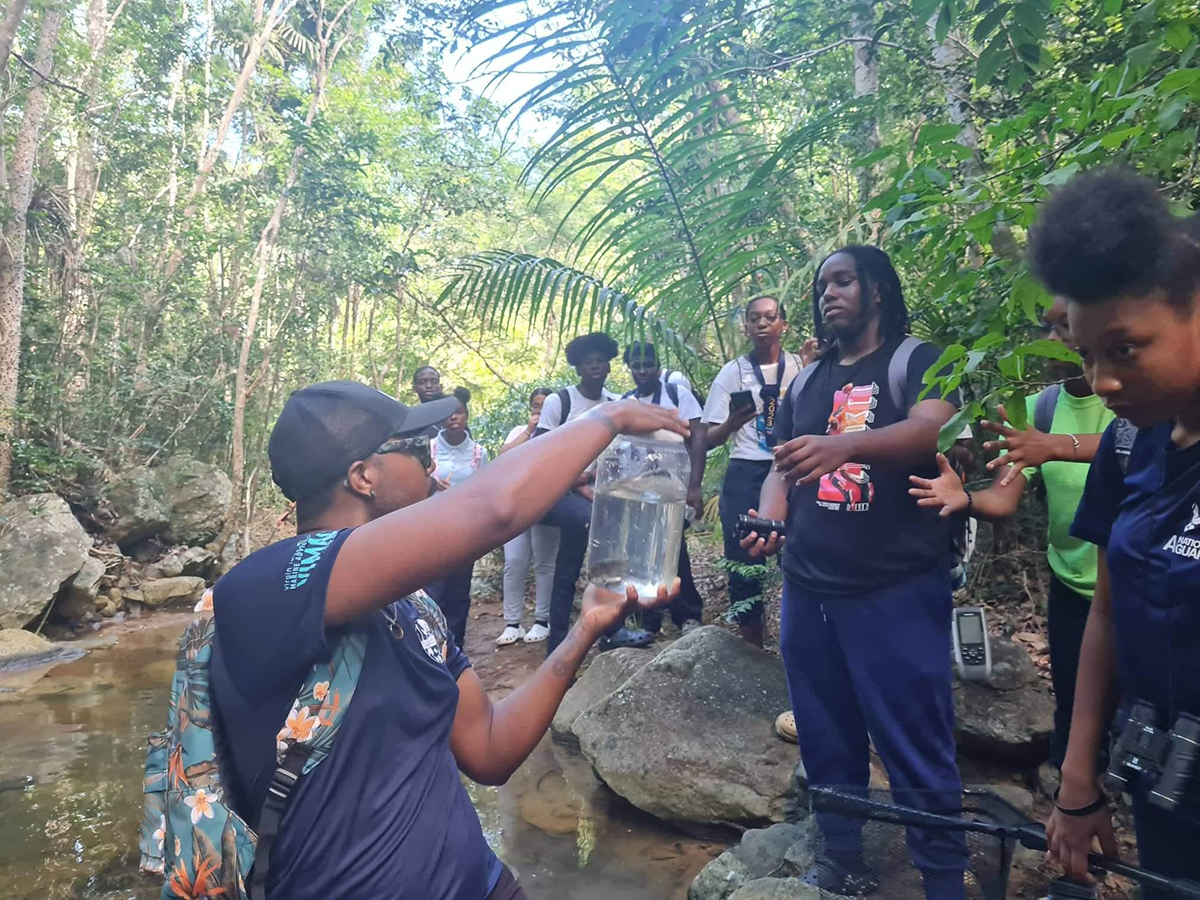
Building local capacity was a cornerstone of the project’s legacy. R2R’s Education and Workforce Development programs trained and inspired the next generation of Virgin Islands scientists and teachers. Hundreds of local students participated in hands-on research and environmental outreach, from high schoolers growing mangroves in classrooms to teachers taking “deep dives” with NOAA support and investments to bring ocean science into their lessons. The program’s success in strengthening STEM education was recognized in 2021 with the National Academies selecting the R2R team to showcase its holistic approach in a national STEM outreach town hall. R2R also boosted the Territory’s research infrastructure at the University of the Virgin Islands, leaving behind new tools (like a state-of-the-art ocean monitoring network) and enhanced facilities. The productivity of the project further underscores its impact: in its first three years alone R2R investigators published nearly 40 peer-reviewed studies and attracted over $12 million in additional external grants to the territory. This momentum is expected to continue as R2R-trained researchers and students carry on the work already underway in our new NSF–EPSCoR”s E-RISE award to Dr. Tyler Smith this past year.
In summary, the Ridge to Reef project has created a legacy of scientific knowledge, environmental stewardship, and local capacity building of the next generation of STEM educators and environmental stewards. By uniting research on land, sea, and community, it generated practical insights and interventions to help ensure the U.S. Virgin Islands’ precious natural resources – from the mountaintop forests to the coral reefs – remain resilient in the face of change.
Ridge to Reef Research Areas
Click each image for key accomplishments and more information.