

Watershed Terrestrial Monitoring & Land Use
The Watershed and Land Use team examined how activities on land—such as construction, farming, and land clearing—affected the waters and coral reefs downstream. By monitoring “ridge-to-reef” processes in two pilot watersheds (Salt River Bay on St. Croix and Fish Bay on St. John), researchers tracked when and how rainwater carried soil, nutrients, and pollutants down through guts (streams) to the sea.
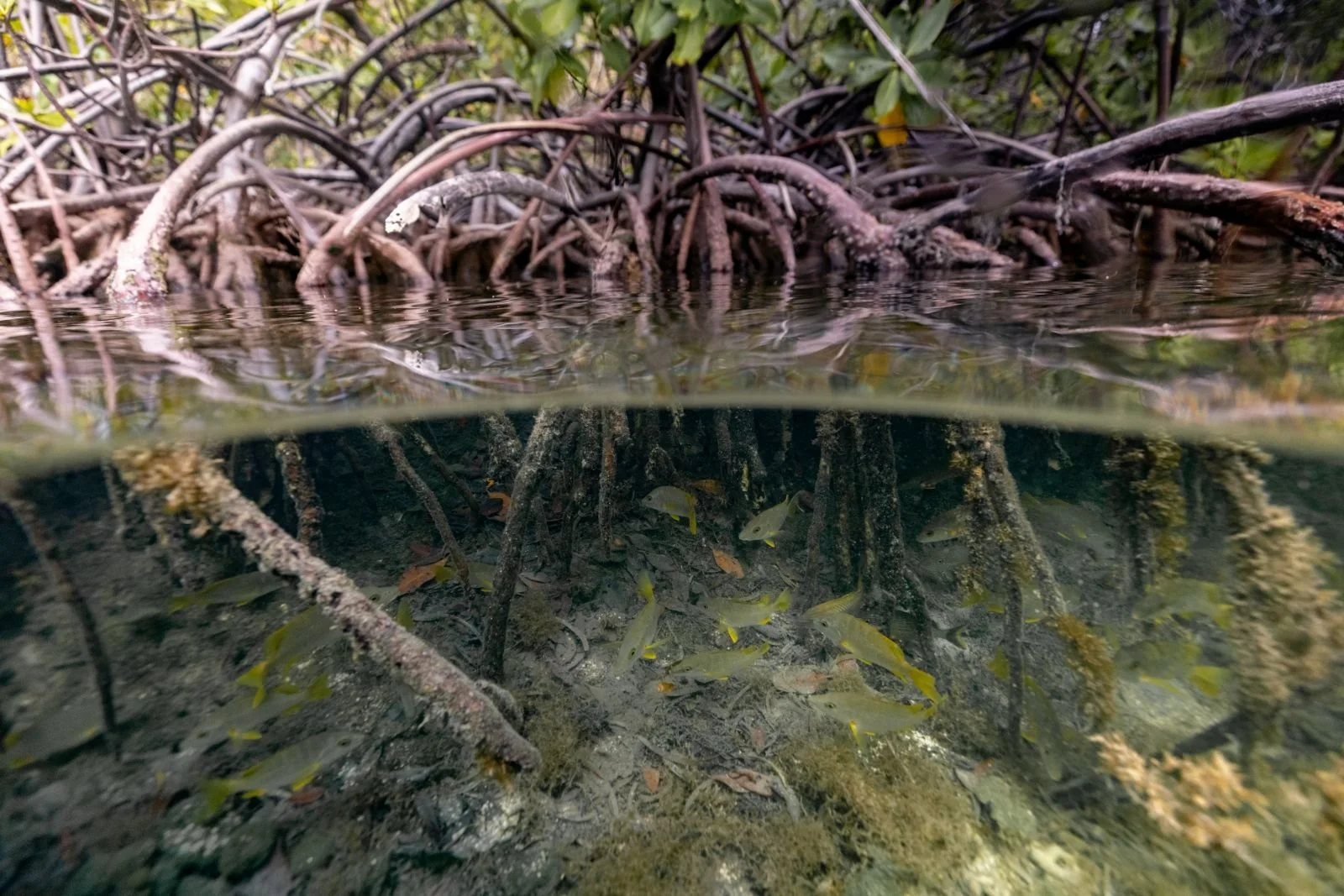
Mangrove Ecosystem Function & Recovery
The Mangrove research team studied the “nurseries of the sea” – the mangrove forests fringing the islands – to understand their past and present health and to enhance their recovery.
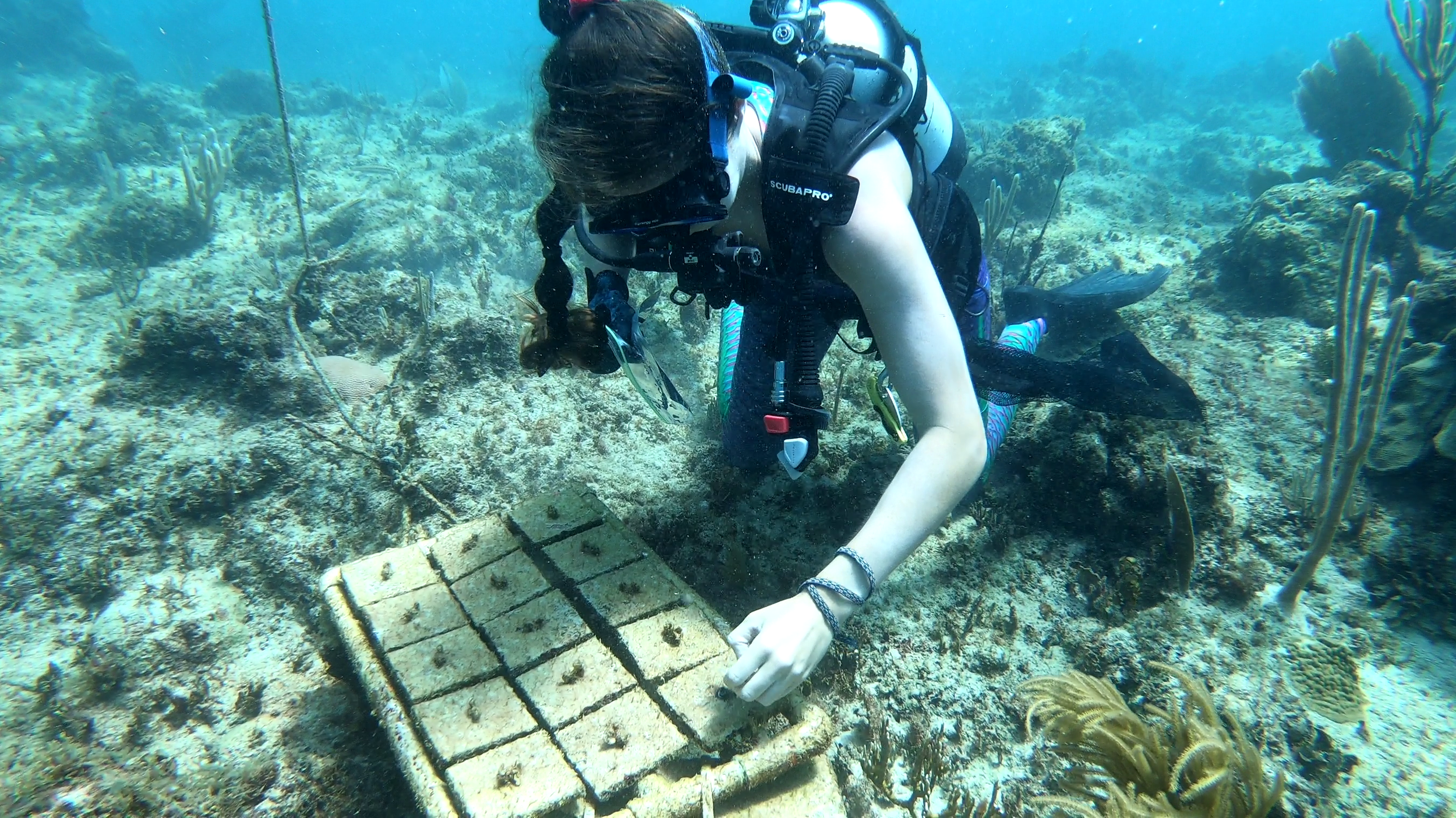
Fish Ecology and Herbivory
The Fish Ecology component zeroed in on coral reef fish – especially parrotfish – and their role in reef resilience. Herbivorous fishes like parrotfish are often called “reef gardeners” because they eat algae that can otherwise overgrow and smother corals. The team, led by Dr. Richard Nemeth, investigated how environmental stressors (such as sediment runoff from land or coral bleaching events) alter parrotfish populations and their grazing behavior.
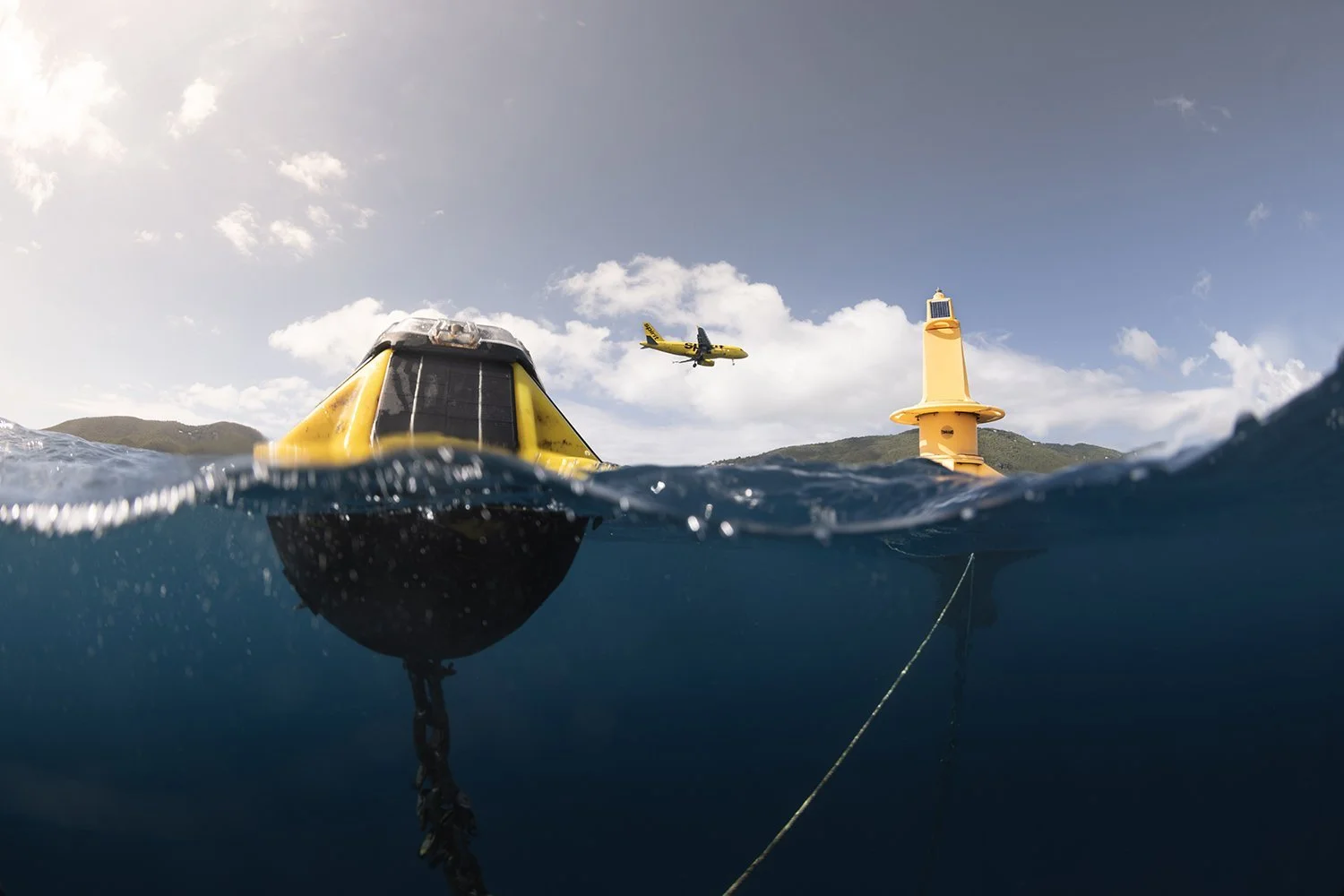
Oceanography
The Oceanography team served as the connective thread for the entire Ridge to Reef project, examining how ocean conditions around the USVI influence reef ecosystems and interact with other factors like watershed runoff. The team’s work included ocean current modeling, water quality monitoring, and larval dispersal studies.

Coral Reef Resilience
The Coral Reef Resilience team tackled one of the most pressing questions for our time: Why do some coral reefs persist and recover after disturbances while others decline? Reefs in the USVI have endured hurricanes, mass bleaching events, disease outbreaks, and more. Yet in certain spots, corals have shown surprising resilience – for instance, some reefs rebound with baby corals after a bleaching, or resist algal overgrowth thanks to robust herbivore populations.

Coral Disease & Restoration
This dual-focus team addressed both the dark side and the healing side of coral reefs: the spread of coral diseases that have recently devastated Caribbean reefs, and the restoration efforts to bring back corals in damaged areas.

Emerging Area: Shoreline Response
This emerging research area addressed the changing shorelines of the Virgin Islands and the new challenges they face, from invasive seaweed inundations to climate-driven erosion.

Emerging Area: Seagrass Ecology
This project’s emerging seagrass research focused on Halophila stipulacea, an invasive seagrass that has spread through USVI waters in recent years. Additionally, because healthy seagrass beds can buffer wave energy and reduce beach erosion, the team explored how different seagrass species influence water motion and sediment on our coasts.
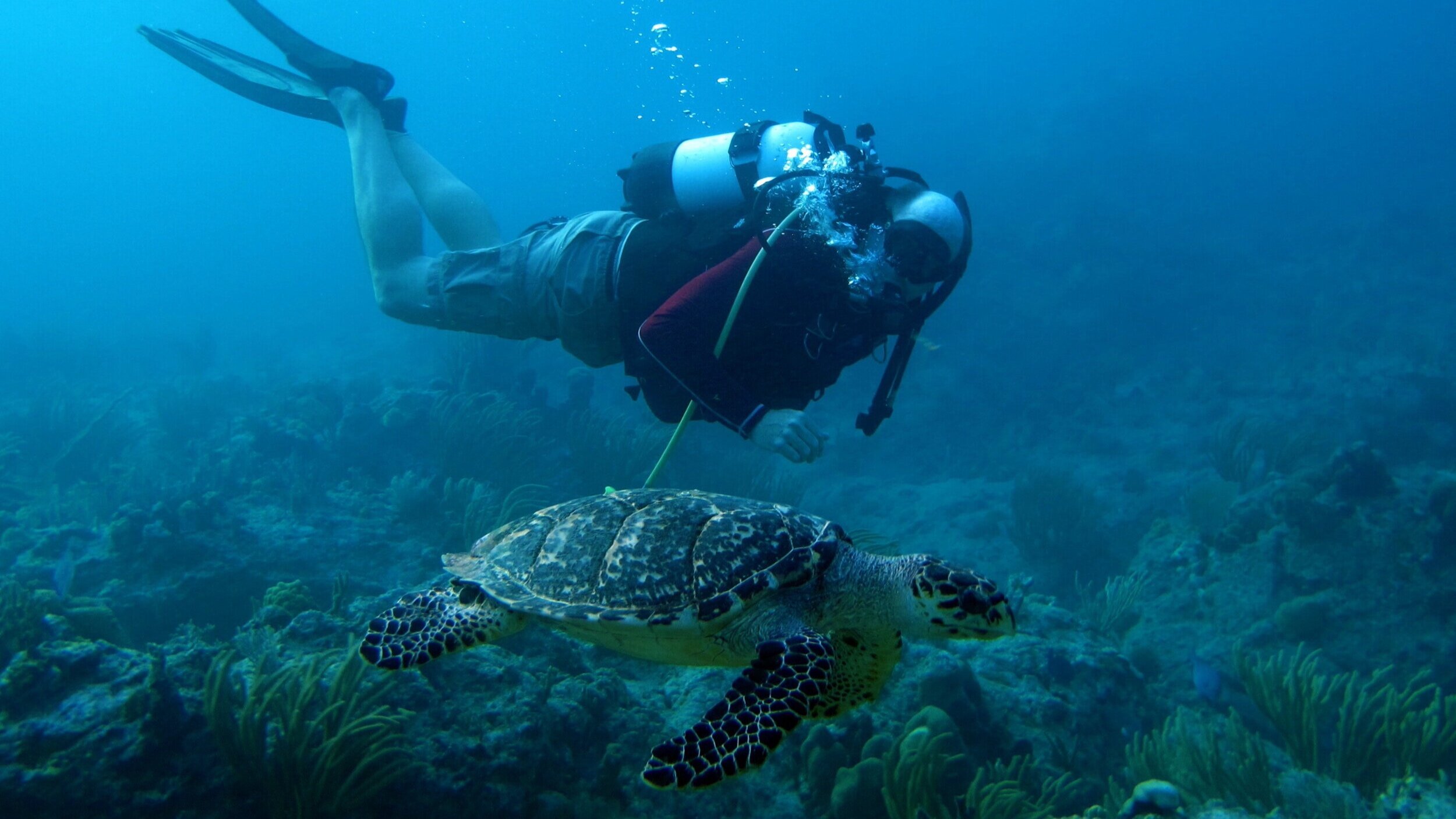
Emerging Area: Movement Ecology
The movement ecology sub-project pioneered high-tech tracking of sea creatures in Brewers Bay, St. Thomas, to learn how animals use our nearshore habitats. Researchers installed a fine-scale acoustic positioning system – essentially an underwater GPS – that allowed them to follow the minute-by-minute movements of tagged marine animals.

Teacher Professional Development, Mentoring & Research Infrastructure
This component of R2R focused on strengthening the STEM education pipeline in the Virgin Islands, from K-12 teachers to college faculty. The goals were to equip teachers with new skills and curricula (especially around the R2R environmental themes), to mentor and support students and early-career scientists, and to improve the territory’s educational infrastructure. In practice, that meant organizing teacher training institutes, building a network of mentors for undergraduate research, offering professional development workshops, and even helping develop new academic programs at UVI.

Undergraduate Education Research
The Undergraduate Education Research (UER) initiative was a study-within-the-study, examining how to improve the success of UVI students in STEM fields. In particular, it looked at ways to increase the recruitment, retention, and persistence of underrepresented minority students in science – a core aim of VI-EPSCoR’s workforce development mission.
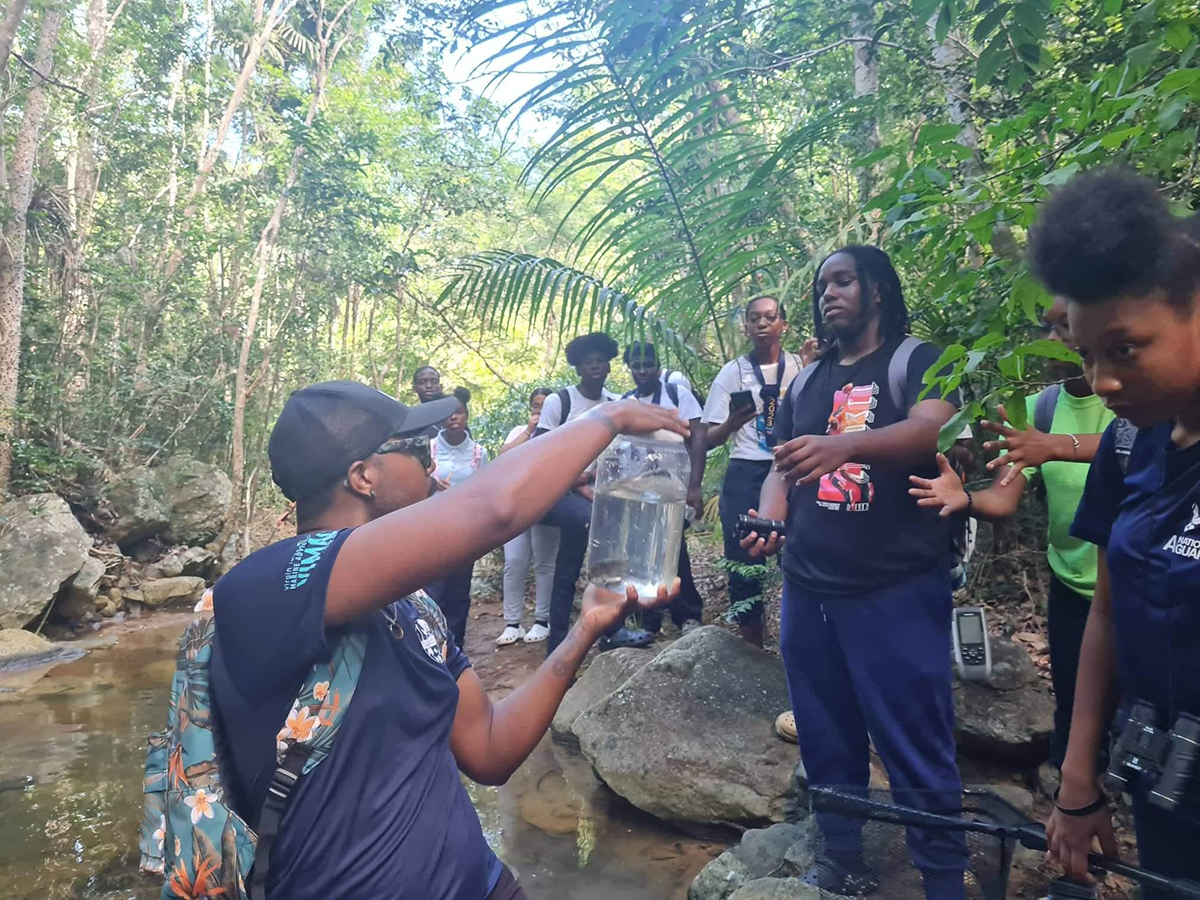
Informal Learning
The Informal Learning (IL) program was the outreach heartbeat of the R2R project, aiming to ignite curiosity and scientific understanding outside of formal classrooms. Its mission was to bring science to the community in accessible and culturally relevant ways, thereby broadening participation in STEM – especially among groups historically underrepresented in science.